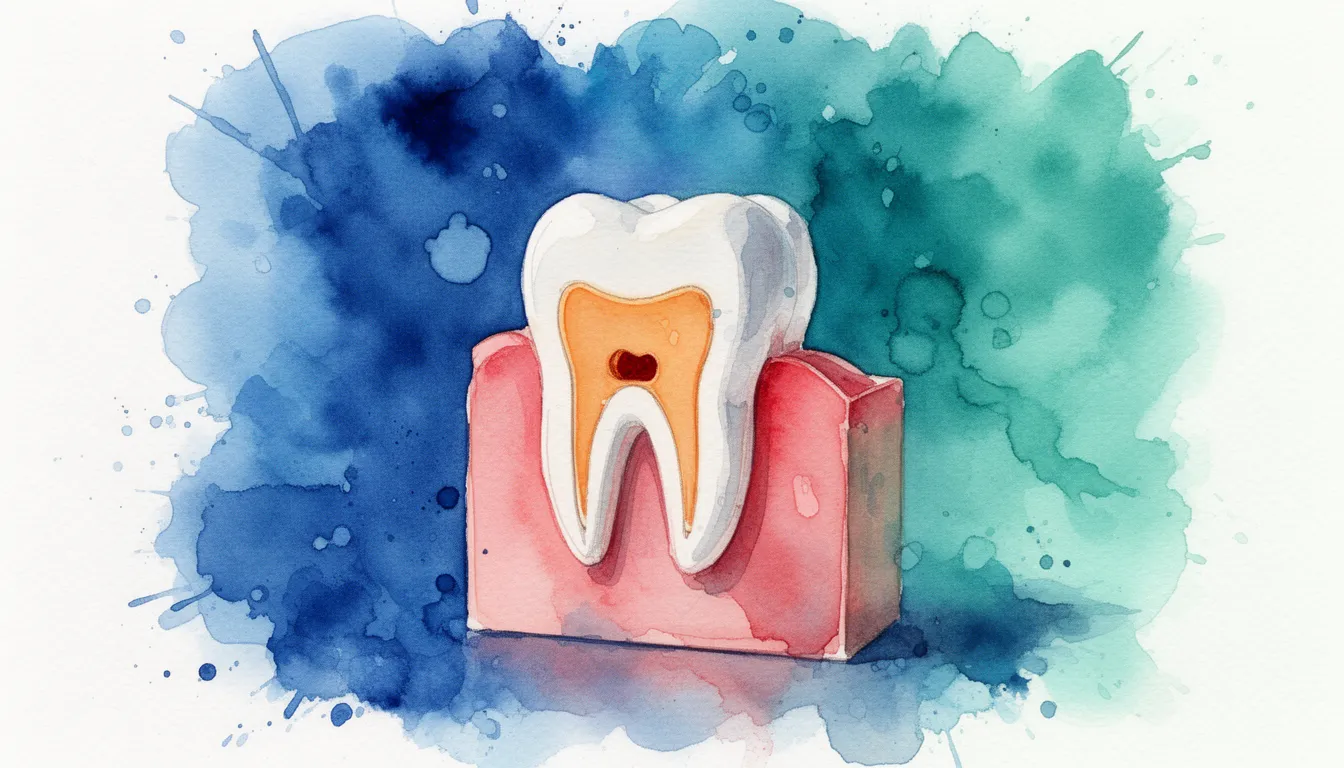
What Is Tooth Decay in Children?
Tooth decay, also called dental caries, is a bacterial infection that destroys the hard outer layer of a tooth. It is the single most common chronic disease affecting children globally. [4]
Decay begins when certain bacteria in the mouth, mainly Streptococcus mutans, consume sugars left on tooth surfaces. These bacteria produce acids as a byproduct. The acid dissolves minerals in enamel, the protective shell covering each tooth. Over time, this mineral loss creates a hole, or cavity.
Untreated caries in children's primary (baby) teeth affected a large portion of the global population, making it one of the most prevalent conditions across all age groups. [4] The disease can start as soon as a child's first tooth appears, typically around six months of age. Both baby teeth and permanent teeth are vulnerable.
Many parents assume cavities in baby teeth are harmless because those teeth will fall out. That assumption is incorrect. Baby teeth hold space for permanent teeth, support proper speech development, and allow children to chew and eat comfortably. Untreated decay can lead to infections, abscesses, and damage to the permanent teeth forming below the gum line.
Causes and Risk Factors for Childhood Tooth Decay
Tooth decay in children results from a combination of bacteria, sugar exposure, and insufficient oral hygiene. Several additional factors raise a child's risk.
Bacteria and Sugar: The Core Mechanism
The mouth contains hundreds of bacterial species. Some of these bacteria form a sticky film on teeth called plaque. When a child eats or drinks something containing sugar or starch, plaque bacteria break it down and release acid. This acid attacks enamel for about 20 minutes after each exposure.
A systematic review published in the Journal of Dental Research found a clear relationship between the amount and frequency of sugar intake and the development of dental caries. [9] Children who consume sugary snacks or drinks multiple times per day give bacteria repeated opportunities to produce acid, increasing decay risk substantially.
Baby Bottle Tooth Decay
Baby bottle tooth decay is a specific pattern of cavities seen in infants and toddlers. It occurs when a child falls asleep with a bottle containing milk, formula, juice, or any sweetened liquid. During sleep, saliva flow drops. The liquid pools around the upper front teeth, bathing them in sugar for hours.
The upper front teeth are typically affected first, but decay can spread to other teeth. The American Academy of Pediatric Dentistry advises parents to avoid putting a child to bed with a bottle and to wipe an infant's gums with a clean cloth after feedings. [11]
Diet and Nutritional Factors
Frequent snacking on crackers, chips, dried fruit, and candy keeps acid levels elevated in a child's mouth. Sticky foods are especially harmful because they cling to tooth surfaces longer. Sugary drinks, including fruit juice, flavored milk, and soda, are a major contributor to childhood decay.
Nutritional deficiencies may also play a role. Vitamin D is essential for calcium absorption and proper tooth mineralization. A systematic review and meta-analysis of observational studies found that vitamin D deficiency was significantly associated with an increased risk of dental caries. [13] A balanced diet that includes adequate vitamin D supports both general health and stronger teeth.
Other Risk Factors
Several additional factors increase a child's vulnerability to decay. Children with chronic medical conditions, such as diabetes, may face higher oral health risks due to changes in saliva composition and immune response. [6] Children undergoing cancer treatment can experience oral complications that raise decay risk. [10]
Other risk factors include low saliva production, crowded teeth that are difficult to clean, lack of access to fluoridated water, and a family history of heavy cavity activity. The Caries Management by Risk Assessment (CAMBRA) protocol helps dentists identify which children are at the highest risk so preventive efforts can be focused appropriately. [5]
Signs, Symptoms, and Diagnosis
Early tooth decay often has no pain at all, which is why regular dental checkups are essential for catching it before it progresses.
Early Warning Signs
The first visible sign of decay is typically a white spot on the enamel. White spots indicate demineralization, meaning minerals have begun to leach from the enamel surface. At this stage, the process is often reversible with fluoride treatment and improved oral hygiene.
As decay progresses, white spots may turn light brown, then dark brown or black. A visible hole or pit may appear in the tooth. The child may start to complain about sensitivity to hot, cold, or sweet foods. In advanced stages, a child may experience spontaneous toothaches, swelling near the affected tooth, or difficulty eating.
How Dentists Diagnose Childhood Cavities
A dentist diagnoses decay through a visual examination, tactile probing with a dental instrument called an explorer, and dental X-rays (radiographs). X-rays reveal cavities between teeth and below the gum line that are invisible during a visual exam.
Risk assessment tools like CAMBRA help the dentist evaluate a child's overall risk level by looking at factors such as diet, fluoride exposure, oral hygiene habits, and bacterial levels. [5] This assessment guides treatment decisions and preventive recommendations.
When to Seek Care
Parents should schedule a dental visit if they notice white or brown spots on their child's teeth, if the child complains of tooth pain, or if they see visible holes in any tooth. However, waiting for symptoms is not the best strategy. The American Academy of Pediatric Dentistry recommends a child's first dental visit by age 1 or within six months of the first tooth erupting, whichever comes first. [11] Regular checkups every six months allow the dentist to catch decay at its earliest, most treatable stage.
Treatment Options for Tooth Decay in Children
Treatment depends on the severity of the decay, the child's age, and whether the affected tooth is a baby tooth or a permanent tooth.
Fluoride and Remineralization
When decay is caught at the white spot stage, it may be reversed without drilling. Professional fluoride treatments, such as varnishes applied in the dental office, help rebuild lost minerals in enamel. Higher-concentration fluoride toothpastes may also be recommended for children at elevated risk, though the dentist will weigh the benefits against the risk of fluorosis in younger children. [8]
Silver diamine fluoride (SDF) is a liquid that a dentist paints onto a cavity to stop decay from progressing. A 2024 Cochrane review evaluated SDF for preventing and managing caries in children and adults. The review found evidence suggesting SDF can arrest existing cavities, though it leaves a permanent dark stain on treated areas. [1] SDF can be a useful option for very young children, children with special needs, or situations where traditional restorative treatment is difficult.
Fillings (Dental Restorations)
When decay has progressed beyond the enamel surface, the dentist removes the damaged portion of the tooth and fills the space with a restorative material. Common filling materials for children include tooth-colored composite resin and glass ionomer cement. Glass ionomer releases fluoride over time, which may help protect nearby tooth surfaces.
For baby teeth, the procedure is similar to an adult filling. The dentist numbs the area with local anesthetic, removes the decay, and places the filling. Most children tolerate the procedure well, especially with the support of a pediatric dentist trained in behavior management techniques.
Crowns for Severely Decayed Teeth
When decay has destroyed a large portion of a baby tooth, a filling alone may not provide enough structural support. In these cases, the dentist may place a crown, a cap that covers the entire visible portion of the tooth. Stainless steel crowns are the most common choice for baby molars. They are durable, require only one visit, and protect the tooth until it falls out naturally.
Tooth-colored crowns (zirconia or composite strip crowns) are available for front teeth where appearance matters more. The choice depends on the tooth's location, the extent of damage, and the child's cooperation level.
Pulp Therapy (Pulpotomy and Pulpectomy)
If decay reaches the pulp, the soft tissue inside the tooth containing nerves and blood vessels, the child may need pulp therapy. A pulpotomy removes the infected portion of the pulp from the crown of the tooth while leaving healthy root pulp intact. The tooth is then covered with a crown.
A pulpectomy is more extensive and removes all of the pulp tissue, similar to a root canal in an adult tooth. The empty canals are filled with a resorbable material so the body can still break down the tooth roots naturally when the permanent tooth is ready to come in. Both procedures aim to save the baby tooth and maintain proper spacing for the permanent tooth.
Extraction and Space Maintainers
Extraction, or pulling the tooth, is a last resort when a baby tooth is too damaged to save. If a baby tooth is removed early, the surrounding teeth may shift into the empty space. This can block or redirect the permanent tooth trying to come in.
To prevent this, the dentist often places a space maintainer, a small metal appliance that holds the gap open until the permanent tooth erupts. Space maintainers are custom-fitted and typically remain in place for months or even years, depending on the child's development.
Sedation and General Anesthesia
Young children, anxious children, or those needing extensive treatment may benefit from sedation. Options range from mild sedation (nitrous oxide, also called laughing gas) to moderate oral sedation to general anesthesia in a hospital setting. The pediatric dentist selects the approach based on the child's age, medical history, level of anxiety, and the complexity of the treatment needed.
General anesthesia allows multiple procedures to be completed in one visit while the child is completely asleep. It carries additional risks compared to lighter sedation and is typically reserved for cases involving severe decay across many teeth or children who cannot cooperate safely in a standard dental chair.
Recovery and Aftercare
Recovery from most childhood dental treatments is quick, with children typically returning to normal activities within a day.
After a filling, the numbness from local anesthetic usually wears off within one to three hours. Parents should watch younger children during this period to make sure they do not bite their lip, tongue, or cheek. Mild sensitivity around the treated tooth is normal for a few days.
After a crown placement, the child may feel some soreness in the gums for a day or two. Soft foods and over-the-counter children's pain relievers (as directed by the dentist or pediatrician) typically manage any discomfort. Stainless steel crowns require no special care beyond normal brushing and flossing.
Following a pulpotomy or extraction, the dentist will provide specific instructions. These generally include avoiding hard or crunchy foods for a few days, keeping the area clean, and monitoring for signs of infection such as increasing swelling, fever, or pus. If the child received sedation or general anesthesia, recovery time is longer. Parents should follow all post-sedation guidelines provided by the dental team.
Preventing Future Decay After Treatment
Treating a cavity does not remove the underlying risk factors that caused it. Without changes to diet and hygiene habits, new cavities are likely to develop. The dentist may recommend more frequent checkups, prescription-strength fluoride toothpaste, or dietary counseling to reduce sugar exposure.
A risk-based approach such as CAMBRA helps the dental team create a specific plan for each child based on their individual risk level. [5] This plan may include fluoride varnish applications every three to six months, xylitol products to reduce bacterial activity, or sealants on newly erupted permanent molars.
Cost Factors and Insurance Coverage
Treatment costs for childhood cavities depend on the type of procedure, the number of teeth involved, and whether sedation is needed. Costs vary by location, provider, and case complexity.
As a general guide, a single composite filling on a baby tooth may range from $150 to $350. A stainless steel crown typically costs between $200 and $500 per tooth. Pulp therapy (pulpotomy) may range from $200 to $400 per tooth, and a tooth extraction generally falls between $100 and $300. If general anesthesia is required, facility and anesthesia fees can add $500 to $2,000 or more to the total.
Most dental insurance plans cover preventive care for children, including exams, X-rays, fluoride treatments, and sealants, at little or no out-of-pocket cost. Restorative treatments like fillings and crowns are typically partially covered. Parents should verify their plan's coverage details, annual maximums, and any waiting periods.
Many pediatric dental offices offer payment plans or accept third-party financing options. Medicaid and the Children's Health Insurance Program (CHIP) provide dental coverage for eligible children in every state, though covered services and provider availability vary.
When Should a Child See a Pediatric Dentist?
A pediatric dentist is a dental specialist with two to three years of additional training beyond dental school, focused on treating infants, children, adolescents, and patients with special health care needs.
General dentists can and do treat children for cavities. However, a pediatric dentist may be the better choice in several situations. These include children under age three, children with extensive decay across multiple teeth, children with behavioral challenges or dental anxiety, and children with medical conditions that complicate treatment. [11]
Pediatric dentists are also trained in sedation techniques specific to children and have offices designed to be child-friendly. If a general dentist identifies complex decay in a young patient, they will often refer the family to a pediatric dentist for treatment.
Parents should also consider a specialist if their child has had recurring cavities despite good home care. A pediatric dentist can perform a thorough risk assessment and identify contributing factors that may not be obvious.
Find a Pediatric Dentist Near You
If your child has signs of tooth decay or is due for a first dental visit, a pediatric dentist can provide the specialized care children need. Use our directory to search for a pediatric dentist in your area, read about their qualifications, and schedule an appointment.
Search Pediatric Dentists in Your AreaHow to Prevent Tooth Decay in Children
Prevention is far simpler, less costly, and less stressful than treatment. A few consistent habits can dramatically reduce a child's risk of cavities.
Brushing and Flossing
Parents should begin cleaning a baby's mouth even before teeth appear by wiping the gums with a clean, damp cloth after feedings. Once the first tooth erupts, use a soft-bristled infant toothbrush with a rice-grain-sized smear of fluoride toothpaste. At age three, increase to a pea-sized amount. [11]
Children typically lack the manual dexterity to brush effectively on their own until around age six to eight. Parents should brush for their child or supervise closely until then. Flossing should begin once any two teeth touch each other.
Fluoride Protection
Fluoride strengthens enamel and makes it more resistant to acid attacks. Sources of fluoride include community water supplies, fluoride toothpaste, and professional fluoride treatments at the dental office. For children at higher caries risk, a dentist may recommend a higher-concentration fluoride toothpaste, weighing the benefits against the low risk of dental fluorosis. [8]
Professional fluoride varnish is typically applied to children's teeth every three to six months during routine dental visits. It is quick, painless, and well-tolerated even by very young children.
Dental Sealants
Dental sealants are thin, protective coatings applied to the chewing surfaces of back teeth (molars and premolars). These surfaces have deep grooves and pits where food and bacteria easily collect. Sealants fill in these grooves and create a smooth, easy-to-clean surface.
A Cochrane review evaluated sealants for preventing caries in primary teeth and found low-certainty evidence from one study that sealing the chewing surfaces of primary molars was more effective than not sealing for preventing or arresting cavities. The review authors noted that more high-quality research is needed before drawing firm conclusions about sealants on baby teeth specifically. [2] Despite this limited evidence on primary teeth, sealants are widely used and well-supported by evidence on permanent molars. They are most commonly applied to permanent molars shortly after they erupt, typically around ages six and twelve. The application takes only a few minutes per tooth and requires no drilling or anesthesia.
Dietary Habits That Protect Teeth
Limiting sugar intake is one of the most effective ways to prevent cavities. A systematic review informing WHO guidelines found a consistent association between the amount of sugars consumed and the development of dental caries. [9] Water and plain milk are the best drink choices for children. Juice should be limited, and soda should be avoided.
Snacking frequency matters as much as what a child eats. Each time a child eats, the mouth becomes acidic for about 20 minutes. Fewer snacking episodes mean fewer acid attacks. When snacks are offered, cheese, raw vegetables, nuts (for age-appropriate children), and plain yogurt are better choices than crackers, cookies, or dried fruit.