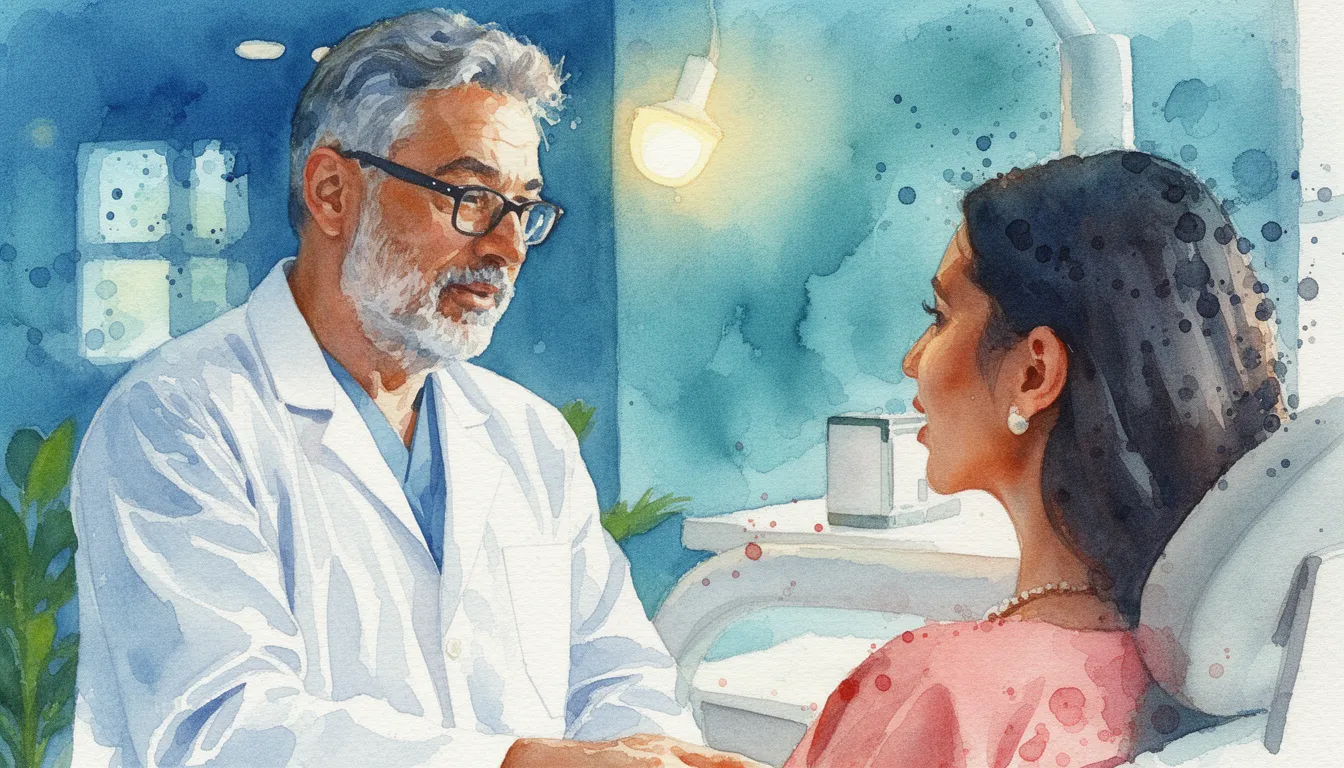
Understanding Is Pediatric Dental Sedation Safe? A Parent's Guide
Pediatric dental sedation is safe when performed by trained providers following established guidelines. The American Academy of Pediatric Dentistry (AAPD) and the American Academy of Pediatrics (AAP) have published detailed guidelines for monitoring and managing children before, during, and after sedation. These guidelines specify provider training requirements, equipment standards, monitoring protocols, and emergency preparedness measures.
Dental anesthesiology is a recognized dental specialty focused on the management of pain, anxiety, and sedation during dental procedures. Dental anesthesiologists complete additional training beyond dental school to safely administer all levels of sedation and anesthesia.
Safety and Monitoring
Patient safety is the top priority in dental sedation and anesthesia. Established guidelines from the American Dental Association, American Academy of Pediatric Dentistry, and American Dental Society of Anesthesiology define the training requirements, equipment standards, and monitoring protocols for every level of sedation.
Continuous monitoring of heart rate, blood pressure, oxygen saturation, and breathing is mandatory during moderate and deep sedation. Emergency medications and resuscitation equipment must be immediately available.
Find a Dental Anesthesiologist
Search by location on My Specialty Dentist to find dental anesthesiologists and sedation-trained specialists in your area.
Search Dental Anesthesiologists in Your Area