Jaw Locking: Causes, First Aid, and Treatment Options

Jaw Locking: Causes, First Aid, and Treatment Options

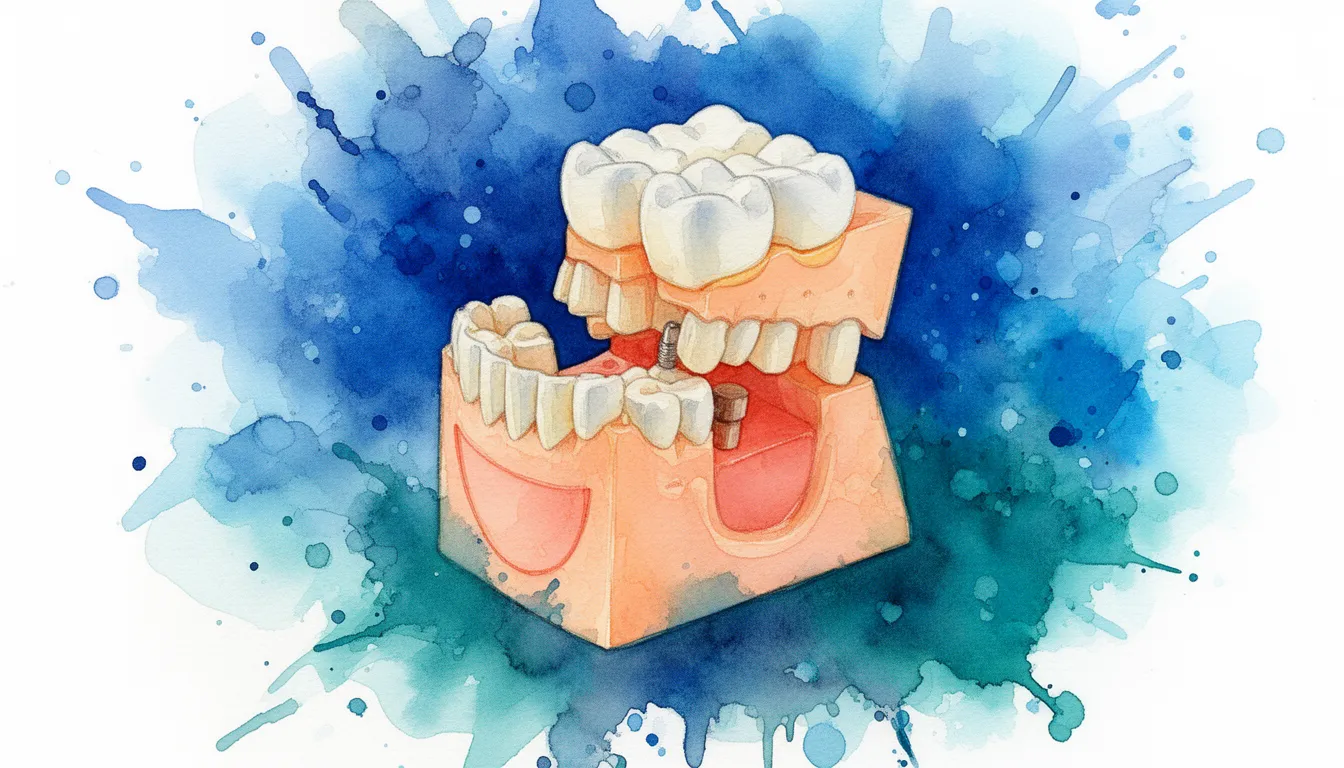
Jaw locking occurs when the jaw becomes stuck in either an open or closed position, making it difficult or impossible to move normally. Closed lock (the most common type) happens when the articular disc in the TMJ displaces and blocks the jaw from opening fully. Open lock occurs when the jaw dislocates and becomes stuck in a wide-open position. Both types can be alarming but are usually treatable with proper management.

3 min readMedically reviewed contentLast updated March 26, 2026

Key Takeaways

  • Closed lock prevents the jaw from opening fully and is caused by anterior disc displacement without reduction.
  • Open lock (jaw dislocation) keeps the jaw stuck in an open position and may require manual reduction.
  • Closed lock often develops gradually, preceded by clicking or popping that suddenly stops.
  • Immediate self-care for closed lock includes gentle opening exercises, moist heat, and anti-inflammatory medication.
  • An orofacial pain specialist or oral surgeon can perform manipulation or arthrocentesis to release a locked jaw.
  • Treatment to prevent recurrence includes splint therapy, physical therapy, and sometimes surgical intervention.

Understanding Jaw Locking

Jaw locking occurs when the jaw becomes stuck in either an open or closed position, making it difficult or impossible to move normally. Closed lock (the most common type) happens when the articular disc in the TMJ displaces and blocks the jaw from opening fully. Open lock occurs when the jaw dislocates and becomes stuck in a wide-open position. Both types can be alarming but are usually treatable with proper management.

TMJ disorders and orofacial pain conditions affect millions of people and can significantly impact daily activities like eating, speaking, and sleeping. An orofacial pain specialist has advanced training in diagnosing and treating these complex conditions.

Treatment Approaches

Treatment for TMJ and orofacial pain conditions typically begins with conservative, reversible approaches. Self-care measures (soft diet, jaw rest, heat/ice application, gentle exercises), physical therapy, splint therapy, and medications form the foundation of treatment. Most patients improve significantly with conservative care.

More interventional treatments (injections, arthrocentesis, arthroscopy, surgery) are considered when conservative measures have been tried for an adequate period without sufficient improvement. The goal is always to use the least invasive effective treatment.

Find an Orofacial Pain Specialist

Orofacial pain specialists complete additional training in the diagnosis and management of TMJ disorders, facial pain, headaches, and related conditions. Search by location on My Specialty Dentist to find a specialist near you.

Search Orofacial Pain Specialists in Your Area

Frequently Asked Questions

What should I know about jaw locking treatment?

Jaw locking occurs when the jaw becomes stuck in either an open or closed position, making it difficult or impossible to move normally. Closed lock (the most common type) happens when the articular disc in the TMJ displaces and blocks the jaw from opening fully. Open lock occurs when the jaw dislocates and becomes stuck in a wide-open position. Both types can be alarming but are usually treatable with proper management.

Should I see a dentist or doctor for jaw/facial pain?

An orofacial pain specialist (a dentist with advanced training in facial pain conditions) is the ideal provider for TMJ disorders and chronic facial pain. General dentists can diagnose many TMJ issues and refer to specialists when needed. If your symptoms include severe headaches, vision changes, or neurological symptoms, start with your physician.

How long does TMJ treatment take to work?

Conservative TMJ treatments (splint therapy, physical therapy, exercises) typically show improvement within 2 to 6 weeks. Some patients notice relief sooner. Treatment plans usually span 3 to 6 months, with periodic adjustments. Complete resolution may take longer for chronic or complex cases.

Can TMJ disorders resolve on their own?

Some TMJ symptoms, particularly those related to temporary stress or minor muscle strain, can resolve on their own with self-care (soft diet, jaw rest, heat application). However, symptoms that persist for more than 2 weeks, worsen over time, or include locking or significant pain should be evaluated by a specialist.

Is TMJ treatment covered by insurance?

TMJ treatment coverage varies by insurance plan. Dental insurance may cover splints and some treatments. Medical insurance may cover physical therapy, medications, injections, and surgery. Some plans specifically exclude TMJ treatment. Check with both your dental and medical insurance for coverage details.

What makes orofacial pain different from regular dental pain?

Orofacial pain encompasses a broader range of conditions beyond tooth-related pain, including TMJ disorders, muscle pain, nerve pain (neuralgia), headaches, and referred pain. The complexity of these conditions requires specialized training to diagnose and treat effectively.

Sources

  1. 1.American Academy of Orofacial Pain. TMJ and Orofacial Pain.
  2. 2.National Institute of Dental and Craniofacial Research. TMJ Disorders.
  3. 3.American Dental Association. TMJ Disorders.
  4. 4.Schiffman E, et al. Diagnostic Criteria for Temporomandibular Disorders. Journal of Oral and Facial Pain and Headache. 2014;28(1):6-27.
  5. 5.List T, Jensen RH. Temporomandibular disorders: old ideas and new concepts. Cephalalgia. 2017;37(7):692-704.

Related Articles