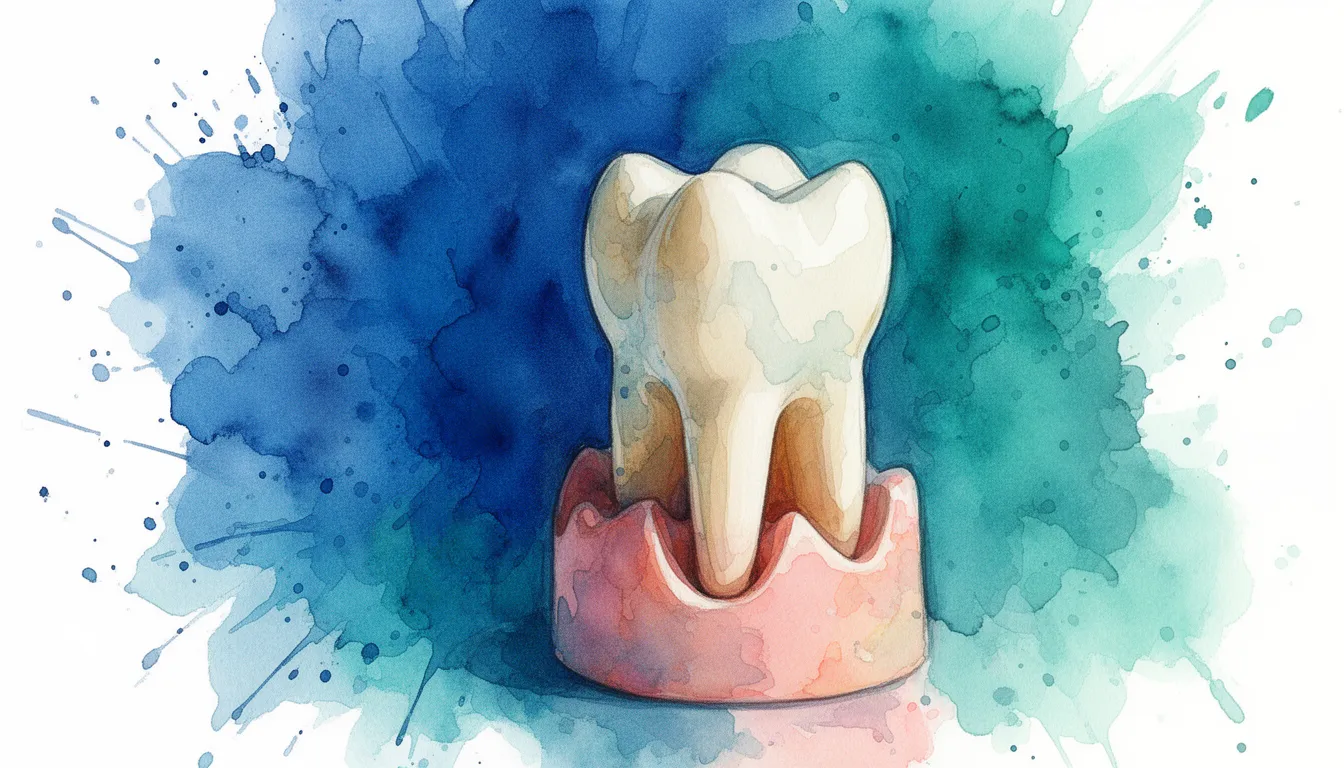
Baby Bottle Tooth Decay: Causes, Treatment, and Prevention

Baby Bottle Tooth Decay: Causes, Treatment, and Prevention

Baby bottle tooth decay (also called early childhood caries or bottle rot) is a pattern of severe decay that affects the upper front teeth and sometimes the back teeth in infants and toddlers. It is caused by frequent, prolonged exposure of the teeth to sugary liquids, including milk, formula, and juice. The most common scenario is putting a child to bed with a bottle. Treatment ranges from fluoride therapy for early stages to crowns or extractions for severe cases.

3 min readMedically reviewed contentLast updated March 26, 2026

Key Takeaways

  • Baby bottle tooth decay is caused by prolonged exposure of teeth to sugary liquids, especially during sleep.
  • The upper front teeth are most commonly affected because they contact the liquid first.
  • Never put a child to bed with a bottle of milk, formula, or juice; water is the only safe option.
  • Early signs include white spots or chalky areas on the teeth near the gum line.
  • Treatment depends on severity: fluoride for early stages, crowns for moderate decay, extraction for severe cases.
  • The condition is preventable with proper feeding habits and early dental care.

Understanding Baby Bottle Tooth Decay

Baby bottle tooth decay (also called early childhood caries or bottle rot) is a pattern of severe decay that affects the upper front teeth and sometimes the back teeth in infants and toddlers. It is caused by frequent, prolonged exposure of the teeth to sugary liquids, including milk, formula, and juice. The most common scenario is putting a child to bed with a bottle. Treatment ranges from fluoride therapy for early stages to crowns or extractions for severe cases.

Your pediatric dentist can evaluate your child's specific situation and recommend the most appropriate treatment approach. Early intervention and regular dental visits are key to maintaining your child's oral health.

When to Seek Professional Care

If you have concerns about your child's dental health, schedule an appointment with a pediatric dentist. Pediatric dentists complete two to three years of additional training beyond dental school, focusing specifically on the dental needs of infants, children, and adolescents.

Early evaluation allows for timely treatment and better outcomes. Most dental issues are easier and less expensive to treat when caught early.

Find a Pediatric Dentist

Pediatric dentists specialize in the dental care of children from infancy through adolescence. Search by location on My Specialty Dentist to find a pediatric dentist near you.

Search Pediatric Dentists in Your Area

Frequently Asked Questions

What should I know about bottle rot treatment?

Baby bottle tooth decay (also called early childhood caries or bottle rot) is a pattern of severe decay that affects the upper front teeth and sometimes the back teeth in infants and toddlers. It is caused by frequent, prolonged exposure of the teeth to sugary liquids, including milk, formula, and juice. The most common scenario is putting a child to bed with a bottle. Treatment ranges from fluoride therapy for early stages to crowns or extractions for severe cases.

Should I see a pediatric dentist or a general dentist for my child?

A pediatric dentist has two to three years of additional training beyond dental school, specializing in the dental needs of children. For complex issues, anxious children, or children under age 3, a pediatric dentist is generally the best choice. General dentists can handle routine care for older, cooperative children.

How do I prepare my child for a dental visit?

Use positive, simple language about the visit. Avoid words like 'hurt,' 'needle,' or 'shot.' Read children's books about going to the dentist. Schedule the appointment when your child is rested and fed. Bring a comfort item like a stuffed animal.

Will insurance cover this treatment?

Most dental insurance plans and Medicaid programs cover medically necessary dental treatment for children. Coverage details and percentages vary by plan. Contact your insurer for specific coverage information about your child's recommended treatment.

How often should my child see the dentist?

The American Academy of Pediatric Dentistry recommends dental visits every 6 months starting by age 1. Children at higher risk for dental problems may need more frequent visits. Your pediatric dentist will recommend the right schedule for your child.

What if my child is afraid of the dentist?

Dental anxiety in children is common and manageable. Pediatric dentists are trained in behavior management techniques including tell-show-do, distraction, and positive reinforcement. For severe anxiety, sedation options like nitrous oxide or oral sedation are available.

Sources

  1. 1.American Academy of Pediatric Dentistry. Clinical Practice Guidelines.
  2. 2.American Dental Association. Pediatric Dentistry.
  3. 3.Centers for Disease Control and Prevention. Children's Oral Health.
  4. 4.National Institute of Dental and Craniofacial Research. Children's Oral Health.
  5. 5.American Academy of Pediatrics. Oral Health.

Related Articles

Find a Pediatric Dentist Near You

Browse top-rated pediatric dentists in major metro areas across the country.