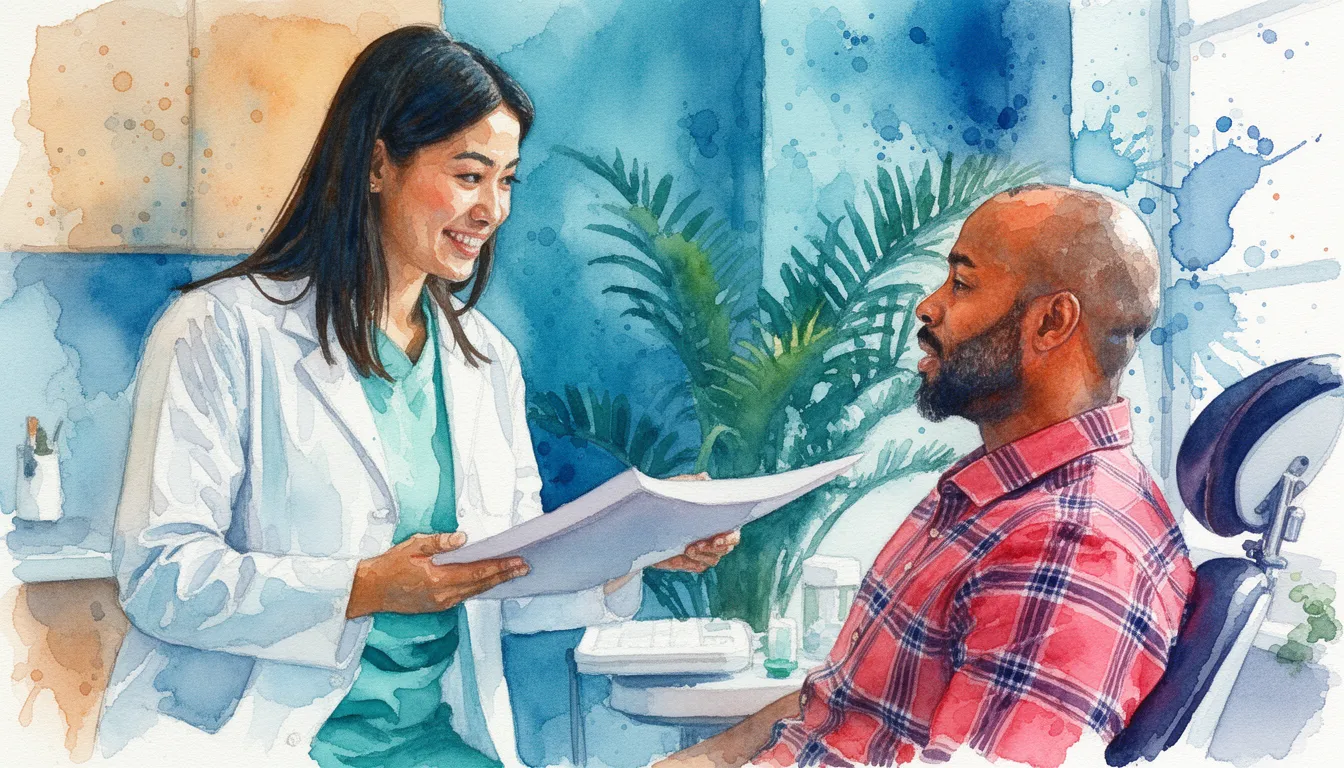
Day-by-Day Recovery: The First Week After Dental Implant Surgery
The first week after dental implant placement is when your body begins the healing process. A blood clot forms at the surgical site, and the bone around the implant starts to stabilize. Your job during this period is to protect that clot and keep the area clean.
Day 1: Surgery Day
After surgery, bite gently on the gauze pad your surgeon places over the site for 30 to 45 minutes to help a blood clot form. Some oozing and minor bleeding is normal for the first 12 to 24 hours. Apply a cold compress to the outside of your cheek, 15 minutes on and 15 minutes off, to reduce swelling.
Rest for the remainder of the day. Do not exercise, bend over, or lift heavy objects. Keep your head elevated, including when sleeping. Take your prescribed pain medication before the anesthesia wears off so it is already working when numbness fades.
Days 2 to 3: Peak Swelling
Swelling typically peaks on day 2 or 3. This is normal. Continue using cold compresses. After 48 hours, you can switch to warm compresses if swelling persists. Bruising on the cheek or jaw is also common, especially for lower jaw implants.
Begin gently rinsing with warm salt water (half a teaspoon of salt in 8 ounces of water) after meals. Do not swish forcefully. Let the water flow over the area and gently fall out of your mouth.
Days 4 to 7: Turning the Corner
Swelling and discomfort should noticeably decrease by day 4 or 5. Most patients feel well enough to return to work and light daily activities. Avoid strenuous exercise for the full first week.
Continue salt water rinses after meals and gentle brushing around the implant site. If you were prescribed an antimicrobial mouth rinse, use it as directed. Do not touch the surgical site with your fingers or tongue.
What to Eat After Dental Implant Surgery
Your diet plays a direct role in healing. The implant needs time to stabilize in the bone, and chewing on or near the surgical site too early can interfere with this process.
Week 1: Liquid and Soft Foods Only
For the first 3 to 5 days, stick to liquids and very soft foods. Good choices include smoothies (no straws), yogurt, mashed potatoes, scrambled eggs, broth-based soups, applesauce, and protein shakes. Avoid anything that requires chewing near the implant site.
- Do not use a straw. The suction can dislodge the blood clot.
- Avoid hot foods and beverages for the first 24 hours.
- Do not eat spicy or acidic foods that may irritate the surgical site.
Weeks 2 to 4: Gradually Firmer Foods
As healing progresses, you can introduce soft solids like cooked pasta, steamed vegetables, soft bread, fish, and ground meat. Continue chewing on the opposite side of your mouth. Avoid hard, crunchy, or sticky foods until your surgeon gives you clearance.
After Month 1: Returning to Normal Diet
Most patients can return to a normal diet within 4 to 6 weeks, depending on their surgeon's assessment. Your surgeon will evaluate healing before clearing you for harder foods. Once your permanent crown or restoration is placed, you can eat normally.
Oral Hygiene Around Dental Implants
Keeping the area around your implant clean is essential for preventing infection during the healing period and maintaining the implant for the long term.
Starting on day 2, gently brush the teeth adjacent to the implant with a soft-bristled toothbrush. Avoid brushing directly on the surgical site for the first week unless your surgeon instructs otherwise. After the first week, you can carefully brush the implant area with a soft brush.
Once healing is complete and your permanent restoration is in place, clean around the implant daily just as you would a natural tooth. Use a soft toothbrush, non-abrasive toothpaste, and floss or an interdental brush to clean under and around the crown. Water flossers are also effective for cleaning around implants.
Activity Restrictions During Implant Healing
Physical activity increases blood flow and blood pressure, which can cause more bleeding and swelling at the surgical site. Follow these guidelines to support healing.
- Week 1: No exercise, heavy lifting, or strenuous activity. Light walking is fine.
- Week 2: Light exercise like walking or gentle stretching can usually resume. Ask your surgeon before returning to the gym.
- Weeks 3 to 4: Most patients can gradually return to their full exercise routine. Avoid contact sports until cleared.
- No smoking for at least 2 weeks after surgery. Smoking significantly increases the risk of implant failure by restricting blood flow to the healing bone.
- Avoid alcohol for at least 48 hours after surgery and while taking prescription pain medication.
Healing Milestones: What to Expect Over 3 to 6 Months
Dental implant healing happens in two phases. The soft tissue (gums) heals within 2 to 3 weeks. The bone healing, called osseointegration, takes 3 to 6 months. During osseointegration, the jawbone grows around and bonds to the titanium implant surface, creating a stable foundation for the replacement tooth.
You will not feel osseointegration happening. From the outside, your gums will look healed long before the bone process is complete. This is why your surgeon will wait several months before attaching the final crown or restoration.
Your surgeon will typically schedule follow-up appointments at 1 to 2 weeks, 1 month, and then before placing the final restoration. X-rays will confirm that the bone is integrating properly. Learn more about prosthodontists, the specialists who design and place implant restorations, on our /specialties/prosthodontics page.
Long-Term Implant Maintenance
Dental implants cannot get cavities, but the gum tissue and bone around them can become infected, a condition called peri-implantitis. Peri-implantitis is similar to gum disease around natural teeth and is the leading cause of implant failure after successful osseointegration.
To protect your implant long term, brush twice a day, clean around the implant with floss or an interdental brush daily, and see your dentist or periodontist for professional cleanings every 6 months. Your hygienist will use implant-safe instruments that do not scratch the titanium surface.
Avoid habits that put excessive force on implants, including chewing ice, opening packages with your teeth, or grinding your teeth without wearing a night guard.
Signs of Implant Failure or Complications
Dental implant success rates are high, but complications can occur. Contact your surgeon promptly if you notice any of the following.
- The implant feels loose or mobile at any point after surgery
- Pain that worsens after the first 3 days instead of improving
- Swelling that returns after initially going down
- Pus or discharge from the implant site
- Persistent numbness or tingling in the lip, chin, or gums beyond 24 hours after surgery
- The implant or healing cap becomes exposed through the gum tissue
- Difficulty biting down evenly after the final restoration is placed
Find a Prosthodontist Near You
Every prosthodontist on My Specialty Dentist has verified specialty credentials. Search by location to find board-certified prosthodontists who specialize in implant restorations in your area.
Search Prosthodontists in Your Area