What Are Immediate Dentures?
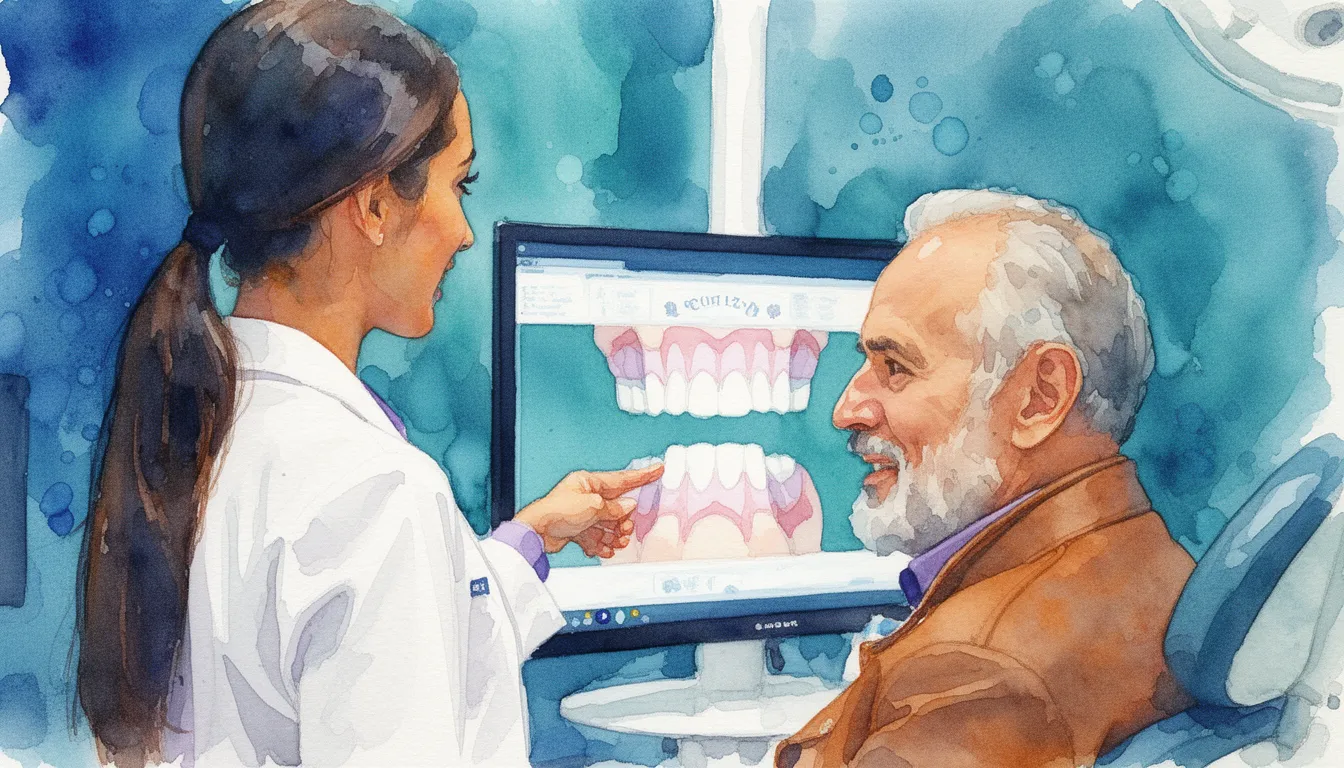
Immediate dentures are a type of removable denture made before your natural teeth are extracted. Your dentist or prosthodontist takes impressions, measurements, and bite records while your existing teeth are still in place. A dental lab uses these records to fabricate the denture in advance.
On the day of your extractions, the denture is inserted immediately after the teeth are removed. This means you walk out of the office with a set of teeth. The denture also acts as a bandage over the extraction sites, helping to control bleeding and protect the healing tissue.
How Immediate Dentures Are Made and Placed
The process begins several weeks before your extraction appointment. Your dentist takes detailed impressions of your upper and lower jaws, along with records of how your bite fits together. If your front teeth are being replaced, photos and shade matching help the lab create a natural-looking result.
Pre-Extraction Appointments
You will typically have 2 to 4 appointments before the extraction day. During these visits, your dentist takes molds of your mouth, selects tooth shapes and colors, and may have you try on a wax model to check the appearance and fit. Because your natural teeth are still present, the lab must estimate how the gums will look after healing, which is why the initial fit is approximate.
Extraction Day
On extraction day, your dentist or oral surgeon removes the remaining teeth. The immediate denture is then placed directly over the extraction sites. You will receive instructions to keep the denture in place for the first 24 hours without removing it. This protects the surgical sites and helps control swelling.
You will return within 1 to 2 days for a follow-up. At that appointment, the dentist removes the denture, checks the extraction sites, and makes any initial adjustments to the fit.
The Adjustment Period: What to Expect
Immediate dentures require patience. Because they are made before your teeth are removed, the fit is based on estimates of how your gums and bone will change. The adjustment period is the most challenging part of the process.
The First Few Weeks
Your gums will be swollen and sore from the extractions. The denture may feel bulky, and speaking and eating will take practice. A soft food diet is recommended for the first 2 to 4 weeks. Soreness from pressure points is common, and your dentist will adjust the denture to relieve these spots.
Increased saliva production is normal in the first few days as your mouth adjusts to the new appliance. This settles down within a week for most people.
Months 1 Through 12
As your extraction sites heal, the underlying bone remodels and the gum tissue shrinks. This means the denture that fit snugly on day one will gradually become loose. Your dentist will reline the denture (adding material to the inside surface) one or more times during the healing period to improve the fit.
Most of the significant bone and tissue changes happen in the first 6 months. By 6 to 12 months after extraction, your ridges have stabilized enough to make a permanent set of dentures.
Immediate Dentures vs Conventional Dentures
Immediate dentures and conventional dentures serve the same purpose, but they are made at different stages of the healing process.
Advantages of Immediate Dentures
- You are never without teeth. There is no gap between extractions and receiving your denture.
- The denture protects extraction sites and helps control bleeding after surgery.
- You can maintain your appearance and continue working and socializing without missing teeth.
- They serve as a guide for your permanent dentures, helping your dentist refine the look and fit.
Limitations of Immediate Dentures
- The fit is less precise than conventional dentures because they are made before the gums have healed.
- Multiple adjustments and at least one reline are needed during the healing period.
- You will likely need a permanent set of dentures within 6 to 12 months, adding to the total cost.
- The teeth and gum tissue on the denture may not match your natural appearance as closely as a conventional denture made after healing.
When Conventional Dentures May Be Better
If appearance during the healing period is not a concern and you want the best possible fit from the start, waiting 8 to 12 weeks after extractions for conventional dentures may be a reasonable option. Conventional dentures are made from impressions of your healed gums, so the fit is more accurate from day one. However, this means going without teeth during the healing period.
How Much Do Immediate Dentures Cost?
Immediate dentures typically cost $1,000 to $3,000 per arch. This price usually includes the denture fabrication, insertion, and initial adjustments. The cost of tooth extractions is separate and varies based on the number of teeth removed and whether surgical extractions are needed.
Because immediate dentures are transitional, most patients also pay for a permanent set of conventional dentures 6 to 12 months later, which adds another $1,000 to $3,000 per arch. Some dental offices offer package pricing that includes both the immediate and permanent dentures.
Most dental insurance plans cover a portion of denture costs, though coverage limits and waiting periods vary. Many plans classify dentures as a major procedure and cover 50% after the deductible. Costs vary by location and provider.
Caring for Immediate Dentures
Proper care extends the life of your immediate dentures and protects your healing gums.
Daily Cleaning
Remove the denture daily and brush it with a soft brush and denture cleanser (not regular toothpaste, which is too abrasive). Rinse your mouth with warm salt water to keep the extraction sites clean. Soak the denture overnight in water or a denture solution to prevent it from drying out and warping.
Follow-Up Appointments
Plan on several follow-up visits during the first year. Your dentist will check the fit, relieve sore spots, and reline the denture as your gums change shape. Skipping these appointments leads to poor fit, sore spots, and faster bone loss from uneven pressure.
When to See a Prosthodontist for Dentures
General dentists make dentures regularly, and many patients get excellent results with their general dentist. However, a prosthodontist is the specialist most trained in denture design, fit, and function.
Consider seeing a prosthodontist if you have significant bone loss, a history of poorly fitting dentures, a strong gag reflex, or unusual jaw anatomy. Prosthodontists also handle cases where immediate dentures need to transition into implant-supported options for a more secure fit.
Find a Prosthodontist Near You
Every prosthodontist on My Specialty Dentist has verified specialty credentials. Search by location to find prosthodontists experienced in denture design and placement, compare their training, and schedule a consultation.
Search Prosthodontists in Your Area