What Is a Dental Bone Graft?
A dental bone graft is a surgical procedure that adds bone or bone-like material to the jaw where bone has been lost. The graft serves as a scaffold that encourages your body to grow new, natural bone in the area. Over several months, your own bone cells gradually replace the graft material through a process called osseointegration.
Jawbone loss is more common than most people realize. When a tooth is removed, the bone that once supported it begins to shrink. This process is called resorption. According to the American Academy of Periodontology, advanced gum disease (periodontitis) is another leading cause of bone loss around the teeth. [3] Without enough bone, the jaw can change shape, neighboring teeth can shift, and dental implants may not have a stable base.
Guided bone regeneration (GBR) is one of the most well-studied bone grafting techniques. It uses barrier membranes along with graft material to direct new bone growth into the area that needs rebuilding. Research over the past 35 years has shown that GBR can reliably restore lost bone in preparation for implant placement. [1]
Bone grafts are performed by periodontists and oral surgeons. A periodontist is a dentist who has completed additional years of specialty training in the supporting structures of the teeth, including bone and gum tissue. You can learn more about this specialty on the periodontics page.
When Is a Dental Bone Graft Recommended?
A bone graft is recommended when you have lost jawbone and need to rebuild it before further dental treatment.
Common Reasons for Bone Grafting
The most frequent reason for a bone graft is preparation for a dental implant. Implants are titanium posts placed into the jaw to support replacement teeth. They require a minimum amount of bone height and width to be placed safely. If your jaw does not have enough bone, a graft can rebuild the area so the implant has a solid foundation.
Tooth extraction is another common trigger. After a tooth is pulled, a socket preservation graft is often placed immediately to prevent the bone from shrinking. This type of graft fills the empty socket with bone material and helps maintain the ridge shape for future restoration.
- Tooth extraction sites: Socket preservation grafts prevent bone loss after a tooth is removed.
- Dental implant preparation: Ridge augmentation grafts rebuild bone that is too narrow or too short for an implant.
- Advanced gum disease: Periodontitis can destroy the bone around teeth, and grafting may help regenerate lost support. [3]
- Trauma or injury: Fractures or dental injuries can result in bone damage that requires grafting.
- Long-term tooth loss: The longer a tooth has been missing, the more bone resorption typically occurs.
Types of Bone Graft Material
The graft material your specialist selects depends on the size of the defect, the location in your jaw, and your overall health. Each type has advantages and limitations.
An autograft uses bone harvested from another area of your own body, often the chin, the back of the jaw, or occasionally the hip. Because it contains living bone cells, an autograft has a strong biological capacity to stimulate new bone growth. The drawback is that it requires a second surgical site, which adds to recovery time.
An allograft uses processed bone from a human donor, obtained through a tissue bank. The bone is thoroughly sterilized and screened for safety. Allografts are widely used because they avoid the need for a second surgical site while still providing an effective scaffold for new bone growth.
A xenograft uses bone derived from an animal source, most commonly bovine (cow) bone. The material is processed to remove all organic components, leaving behind a mineral framework. Xenografts are frequently used in guided bone regeneration procedures and have been studied extensively over several decades. [1]
Synthetic grafts, also called alloplasts, are lab-made materials such as calcium phosphate ceramics or bioactive glass. They do not come from human or animal sources, which can be an important consideration for some patients. Synthetic options continue to improve, though their performance may vary depending on the specific clinical situation.
What to Expect: Before, During, and After the Procedure
The bone graft procedure follows a structured sequence, from initial evaluation through surgery and early healing.
Before the Procedure
Your specialist will begin with a thorough examination. This includes dental X-rays and often a cone-beam computed tomography (CBCT) scan. A CBCT scan is a three-dimensional X-ray that shows the exact dimensions and density of your remaining bone. This information helps the specialist plan where to place the graft and how much material is needed.
You will review your medical history, including any medications you take. Blood thinners, bisphosphonates (medications for osteoporosis), and certain autoimmune conditions can affect bone healing. Your specialist may coordinate with your physician if adjustments are needed before surgery. You will also receive instructions about eating, drinking, and medication use on the day of the procedure.
During the Procedure
Most dental bone grafts are performed under local anesthesia, which numbs the surgical area while you remain awake. Sedation options, such as oral sedation or intravenous (IV) sedation, are available for patients who experience anxiety or for more extensive grafting procedures.
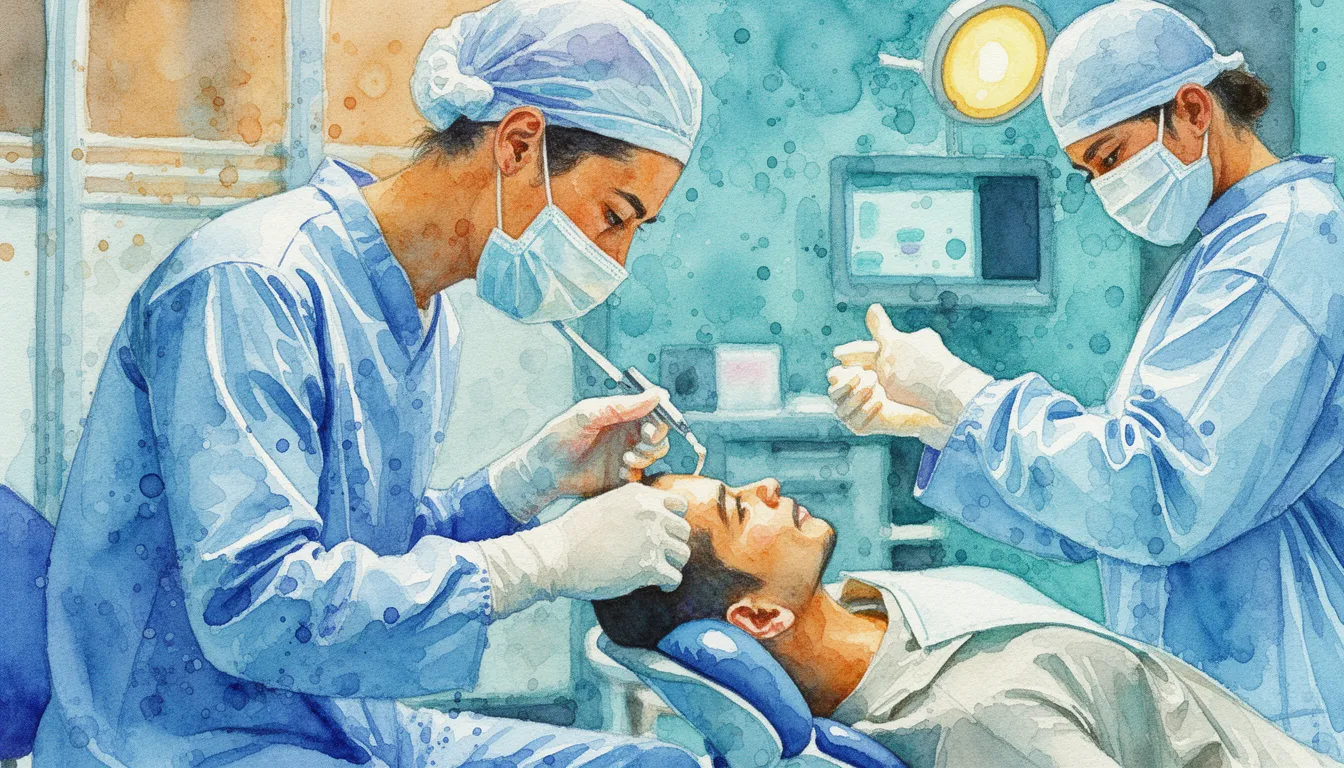
The specialist makes a small incision in the gum tissue to expose the bone beneath. The graft material is then placed into the area of bone loss. In guided bone regeneration, a barrier membrane is placed over the graft to protect it and keep soft tissue from growing into the space where new bone should form. [1] The membrane may be resorbable, meaning it dissolves on its own, or non-resorbable, meaning it will be removed at a later appointment.
Once the graft is secured, the gum tissue is repositioned and closed with sutures. The entire procedure typically takes 45 minutes to 2 hours, depending on the size and complexity of the graft site. Larger reconstructions, such as sinus lifts or block grafts from donor sites, tend to take longer.
Immediately After the Procedure
You will receive detailed post-operative instructions before you leave the office. Most patients can go home the same day. You should expect some swelling, minor bleeding, and discomfort in the first 24 to 48 hours. Your specialist will typically prescribe or recommend pain medication, an antibiotic to reduce infection risk, and an antimicrobial mouth rinse.
Plan to rest for the remainder of the day. Apply an ice pack to the outside of your cheek in 20-minute intervals to help control swelling. Eat soft, cool foods for the first few days. Avoid using a straw, smoking, or vigorous rinsing, as these actions can disturb the graft site and slow healing.
Recovery Timeline and Aftercare
Soft tissue healing typically takes 2 to 4 weeks. Full bone maturation takes 4 to 9 months, depending on the graft type and size.
Healing Milestones
During the first 1 to 3 days, swelling usually peaks. Pain is generally manageable with prescribed medication or over-the-counter anti-inflammatory drugs like ibuprofen. Minor oozing or light bleeding at the surgical site is normal during this window.
By the end of the first week, most patients notice a significant reduction in swelling and discomfort. Your specialist may schedule a follow-up visit to check the surgical site and remove any non-resorbable sutures. You can usually return to work or normal daily activities within 2 to 3 days for minor grafts, or within a week for more extensive procedures.
At the one-month mark, the gum tissue over the graft has typically healed. The bone underneath, however, is still in the early stages of regeneration. Your specialist may take periodic X-rays over the following months to monitor new bone formation.
Between 4 and 9 months, the graft material is gradually replaced by your own natural bone. The exact timeline depends on factors like the type of graft material, the size of the defect, and your overall health. Once imaging confirms sufficient bone density and volume, you can proceed with implant placement or the next phase of treatment. [1]
Normal Symptoms vs. When to Call the Office
Some symptoms are a normal part of healing. Others may signal a complication that needs prompt attention. Complications from bone grafting procedures can include infection, membrane exposure, and graft loss. [2] Recognizing the difference between expected healing and a potential problem helps you get timely care.
- Normal: Mild to moderate swelling for 3 to 5 days, minor bruising on the cheek or jaw, dull aching at the surgical site, and small granules of graft material appearing in your saliva.
- Call the office: Swelling that worsens after day 3 instead of improving, pus or a foul taste coming from the surgical site, fever above 101°F (38.3°C), heavy bleeding that does not stop with gentle pressure, or numbness that persists beyond the expected duration of anesthesia.
- Call the office: If you notice the membrane becoming exposed through the gum tissue. Membrane exposure is one of the more common complications and may require additional treatment to protect the graft. [2]
Aftercare Tips for Best Results
Protecting the graft during the healing period gives it the best chance of success. Follow your specialist's dietary guidelines carefully. Stick to soft foods like yogurt, scrambled eggs, mashed potatoes, and smoothies for the first one to two weeks. Gradually reintroduce firmer foods as your comfort allows.
Avoid smoking and tobacco use. Tobacco restricts blood flow to the surgical site and significantly increases the risk of graft failure. If you smoke, talk to your specialist about cessation support before the procedure. Keep up gentle oral hygiene around the rest of your mouth, but avoid brushing or flossing directly at the graft site until your specialist gives you the green light.
How Much Does a Dental Bone Graft Cost?
Dental bone graft costs typically range from $300 to $3,000 or more per site. Costs vary by location, provider, and case complexity.
A simple socket preservation graft performed at the time of tooth extraction is generally on the lower end of that range. More extensive procedures, such as sinus lifts or large ridge augmentation grafts requiring autograft harvesting, tend to fall on the higher end. The type of graft material also affects cost. Autografts involve additional surgical time to harvest the donor bone, while allografts, xenografts, and synthetic materials have varying material costs.
The fees listed above typically cover the surgical procedure, graft material, membrane (if used), and initial follow-up visits. Separate costs may apply for the initial CBCT scan, sedation, and any medications prescribed. Always ask your specialist's office for an itemized treatment estimate before the procedure.
Insurance and Financing Options
Dental insurance coverage for bone grafts varies widely. Some plans cover a portion of the procedure if it is deemed medically necessary, such as grafting after an extraction or for treatment of periodontal disease. Other plans classify bone grafting as part of implant treatment and may exclude it. Contact your insurance provider and ask for a pre-authorization to understand your coverage before scheduling.
Many specialist offices offer payment plans or work with third-party financing companies that allow you to spread the cost over several months. Flexible spending accounts (FSAs) and health savings accounts (HSAs) can also be used to pay for bone grafting procedures with pre-tax dollars. Ask the office financial coordinator about available options.
Should You See a Specialist for a Bone Graft?
Bone grafting is typically performed by a periodontist or an oral surgeon, both of whom have advanced surgical training beyond general dentistry.
A periodontist completes an additional three years of residency training after dental school, focusing on the bone, gum tissue, and ligaments that support the teeth. This training includes extensive experience with guided bone regeneration, ridge augmentation, and sinus lift procedures. [1] An oral and maxillofacial surgeon completes four to six years of additional surgical training and handles complex jaw reconstruction cases.
Some general dentists perform straightforward socket preservation grafts. For more involved procedures, such as large ridge augmentations or grafts for patients with medical complexities, a specialist's additional training and surgical experience can be particularly valuable. Your general dentist may refer you to a specialist based on the complexity of your case.
When choosing a specialist, consider asking about their experience with your specific type of graft, the graft materials they use, and their complication management approach. A clear treatment plan and open communication about expected outcomes and risks are signs of quality care. You can explore periodontists in your area on the periodontics page.
Find a Bone Grafting Specialist Near You
If you need a dental bone graft or have been told you may not have enough bone for an implant, finding the right specialist is an important step. My Specialty Dentist helps you search for board-certified periodontists and oral surgeons by location and procedure type. Visit the periodontics page to browse specialists in your area and take the next step toward restoring your jawbone health.
Search Periodontists in Your Area