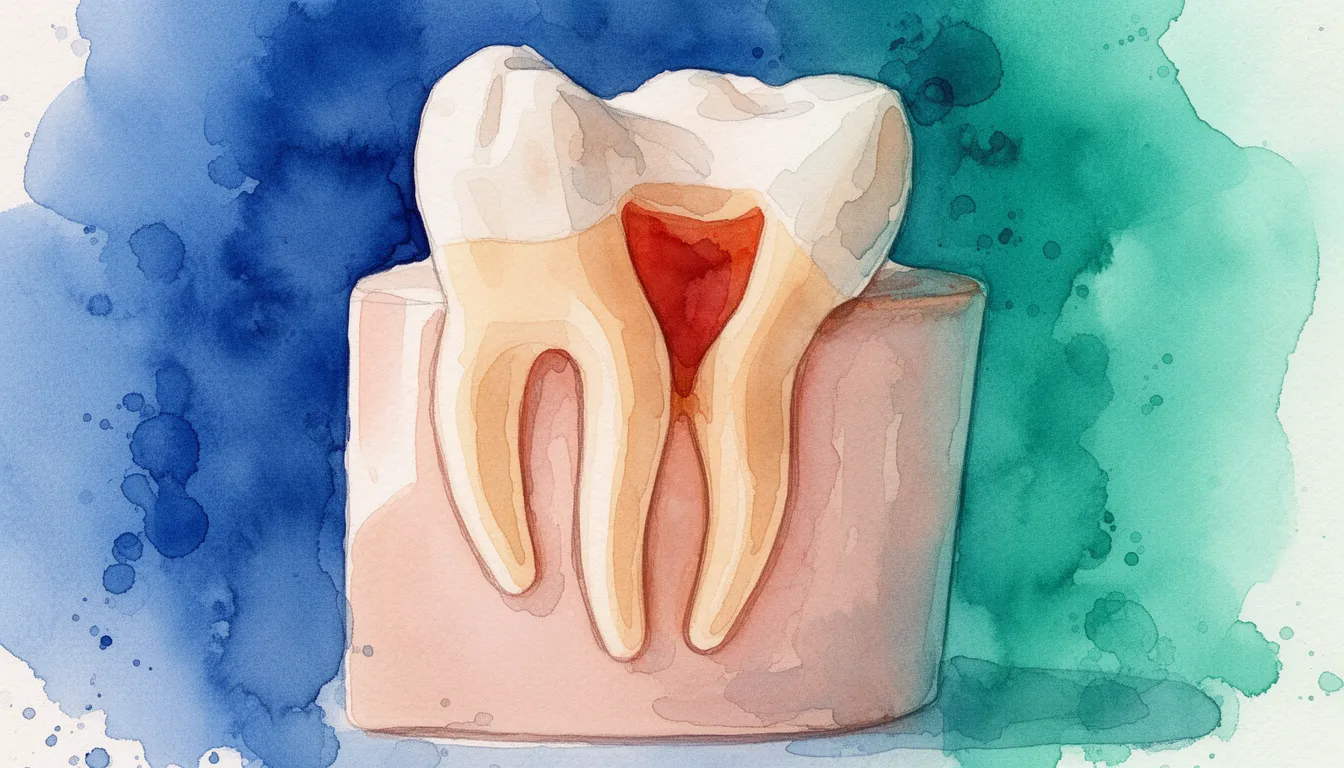
What Is Dry Socket?
After a tooth is extracted, a blood clot forms in the empty socket. This clot serves as a protective layer over the underlying bone and nerve endings. It also provides the foundation for new tissue growth as the site heals.
Dry socket occurs when this blood clot is dislodged, dissolved, or never forms properly. Without the clot, the bone, connective tissue, and nerve endings in the socket are exposed to air, food, fluids, and bacteria. This exposure triggers intense pain and delays healing.
The medical term for dry socket is alveolar osteitis. It is the most common post-extraction complication, but it is not an infection. It is an inflammatory condition caused by the loss of the protective blood clot.
Symptoms of Dry Socket
Dry socket symptoms typically appear 2 to 4 days after an extraction. The timing is a key indicator: normal post-extraction pain peaks within the first 24 hours and then gradually improves. Dry socket pain gets worse after the first few days, not better.
- Severe, throbbing pain at the extraction site that may radiate to the ear, eye, temple, or neck on the same side
- Pain that is noticeably worse than what you experienced on day 1 after the extraction
- A visible empty socket where you can see whitish bone instead of a dark blood clot
- Bad breath or a foul taste in the mouth
- Mild to no swelling (unlike an infection, dry socket usually does not cause significant swelling)
- Pain that is not adequately controlled by over-the-counter pain medication
Dry Socket vs. Normal Healing Pain
It is normal to have some pain after a tooth extraction. The difference is the pattern. Normal healing pain is worst on the day of surgery, improves steadily each day, and responds to over-the-counter pain medication. Dry socket pain starts mild, intensifies on days 2 to 4, and does not respond well to standard pain relievers. If your pain is increasing rather than decreasing after the second day, contact your oral surgeon.
How Common Is Dry Socket?
Dry socket occurs in approximately 2% to 5% of all tooth extractions. The rate is significantly higher for wisdom tooth extractions, particularly lower wisdom teeth, where studies report rates of 15% to 30%. Lower wisdom teeth have a higher rate because the bone in the lower jaw is denser and has less blood supply than the upper jaw.
Certain factors make some individuals more prone to dry socket than others. Understanding your personal risk helps you take the right precautions during recovery.
Risk Factors for Dry Socket
Several factors increase the likelihood of developing dry socket after an extraction.
Smoking and Tobacco Use
Smoking is the most significant controllable risk factor for dry socket. The chemicals in cigarette smoke impair blood flow to the extraction site, making it harder for a stable clot to form. The physical act of inhaling also creates suction in the mouth that can dislodge the clot. Studies show smokers are 3 to 4 times more likely to develop dry socket than nonsmokers.
Other Known Risk Factors
- Oral contraceptives: Higher estrogen levels are associated with increased dry socket rates. If possible, schedule extractions during the low-estrogen phase of your cycle (days 23 to 28).
- History of dry socket: If you have had dry socket after a previous extraction, your risk is higher for future extractions.
- Difficult extractions: Surgical extractions that require cutting bone or sectioning the tooth carry a higher risk than simple extractions.
- Poor oral hygiene: Bacteria around the extraction site can interfere with clot formation and stability.
- Using a straw or spitting forcefully within the first 48 hours: The suction can pull the clot out of the socket.
- Rinsing the mouth vigorously in the first 24 hours after extraction.
How Dry Socket Is Treated
Dry socket treatment focuses on relieving pain and protecting the exposed bone while the body forms new tissue to cover the socket. Treatment requires a visit to your oral surgeon or dentist.
Medicated Dressing (Socket Packing)
Your oral surgeon will gently flush the socket with saline to remove any debris. Then a medicated dressing, usually a paste containing eugenol (clove oil) or other analgesic agents, is placed directly into the socket. This dressing covers the exposed bone and nerve endings, providing significant pain relief, often within minutes.
The dressing may need to be replaced every 1 to 3 days until the pain subsides and new tissue starts to cover the socket. Most patients need 2 to 4 dressing changes. Your surgeon will schedule follow-up visits to monitor healing.
Pain Medication
Your surgeon may recommend or prescribe stronger pain medication if over-the-counter options are not providing adequate relief. Ibuprofen is typically the first choice because it addresses both pain and inflammation. In more severe cases, a short course of prescription pain medication may be needed.
Home Care During Treatment
Between dressing appointments, your surgeon may instruct you to gently rinse the socket with a plastic syringe filled with salt water or a prescribed rinse. This keeps the socket clean and free of food debris. Continue eating soft foods and avoiding the extraction side when chewing.
How to Prevent Dry Socket
While dry socket cannot be completely prevented in every case, following these guidelines significantly reduces your risk.
Before Your Extraction
- Stop smoking for at least 48 hours before the extraction, and ideally longer. Ask your surgeon about nicotine patches if needed.
- Tell your surgeon about all medications you take, including oral contraceptives.
- Follow any pre-operative instructions your surgeon provides, including fasting guidelines if sedation is planned.
After Your Extraction
- Do not smoke for at least 72 hours after extraction. Longer is better. This is the single most effective thing you can do to prevent dry socket.
- Do not use a straw for at least 48 hours. The suction can dislodge the blood clot.
- Do not spit forcefully. If you need to spit, let saliva fall gently from your mouth.
- Avoid vigorous rinsing for the first 24 hours. After 24 hours, rinse gently with warm salt water.
- Eat soft foods and chew on the opposite side of your mouth.
- Avoid carbonated beverages for 48 hours.
- Follow all post-operative instructions from your oral surgeon.
Dry Socket Healing Timeline
Dry socket is temporary, but it does extend your overall recovery. Here is what to expect.
- Days 2 to 4 after extraction: Dry socket symptoms typically begin. Pain intensifies rather than improving.
- Day of treatment: Medicated dressing provides significant pain relief, often within 15 to 30 minutes of placement.
- Days 1 to 7 of treatment: Dressing changes every 1 to 3 days. Pain gradually decreases with each visit.
- 7 to 10 days after treatment begins: Most patients report that pain has resolved or is minimal.
- 2 to 4 weeks: New tissue covers the exposed bone. The socket is no longer sensitive.
- 6 to 8 weeks: The socket has mostly filled in with new bone and soft tissue, though complete bone remodeling takes several months.
When to Call Your Oral Surgeon
Contact your oral surgeon or dentist if your pain increases after the second day rather than improving, if you can see bone in the socket, if you have a bad taste or odor coming from the extraction site, or if over-the-counter pain medication is not controlling your discomfort.
If you develop a fever, facial swelling that worsens, or difficulty opening your mouth, seek care promptly. While these symptoms are more suggestive of an infection than dry socket, both conditions require professional evaluation. Learn more about oral surgeons on our /specialties/oral-surgery page.
Find an Oral Surgeon Near You
Every oral and maxillofacial surgeon on My Specialty Dentist has verified specialty credentials. Search by location to find board-certified oral surgeons in your area for extraction, dry socket treatment, or a second opinion.
Search Oral Surgeons in Your Area