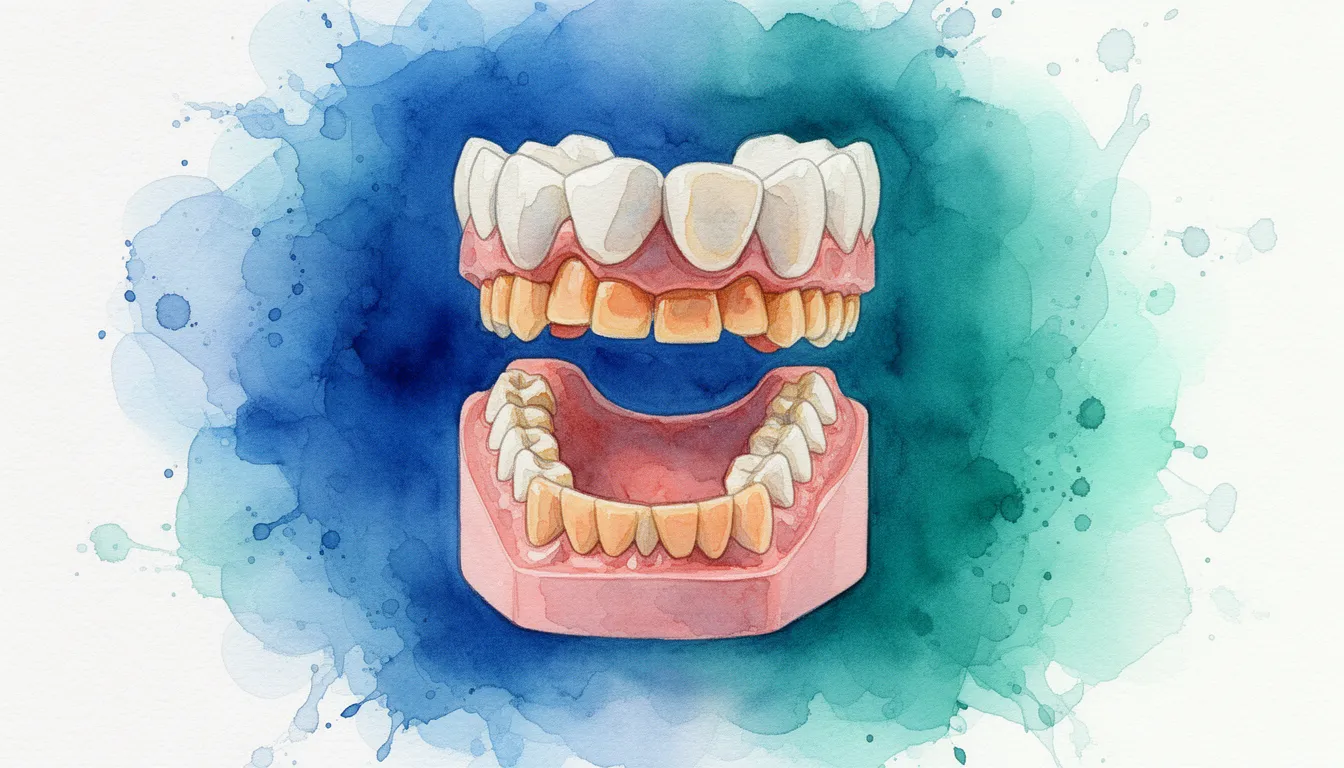
What Is Trismus?
Trismus is the medical term for restricted jaw opening that makes it difficult or painful to open your mouth fully. A normal mouth opening for adults is typically 40 to 55 millimeters, roughly the width of three or four stacked fingers. Trismus is generally defined as a maximum opening of less than 35 millimeters. [2]
This condition affects chewing, speaking, swallowing, and even basic oral hygiene. People with trismus may struggle to eat solid foods or visit the dentist for routine care. In severe cases, the opening may be so limited that only liquids can pass through.
Trismus can be temporary or long-lasting. A short episode after wisdom tooth removal is common and typically resolves on its own. Long-term trismus, such as the type caused by radiation therapy or chronic disease, may require ongoing treatment and rehabilitation. [1]
While trismus itself is not a disease, it is a sign that something is affecting the muscles, joints, or tissues that control jaw movement. Identifying the underlying cause is the first step toward effective treatment.
What Causes Trismus?
Trismus results from anything that restricts the jaw muscles, the temporomandibular joint (TMJ), or the surrounding tissues from moving freely. Causes range from routine dental procedures to serious medical conditions.
Dental and Oral Surgery
Wisdom tooth extraction is one of the most common triggers of trismus. During the procedure, the muscles and tissues around the jaw are stretched, retracted, or bruised. A study of 339 third molar removals found that trismus was among the frequently reported postoperative complications, occurring alongside swelling and pain. [9] A systematic review of complications after simple tooth extraction also identified trismus as a recognized side effect. [8]
The risk tends to be higher when lower wisdom teeth are deeply impacted, when surgery takes longer, or when significant bone removal is needed. Other oral surgeries, such as jaw fracture repair or cyst removal, can also cause temporary trismus.
Radiation Therapy to the Head and Neck
Radiation therapy for head and neck cancer is a major cause of long-term trismus. Radiation damages the jaw muscles and causes fibrosis (scarring and thickening of tissue), which restricts movement over time. A systematic review and meta-analysis found that chemotherapy combined with radiation therapy increases the prevalence of trismus compared to radiation alone. [2]
A multinational study of long-term head and neck cancer survivors found that trismus was one of several oral health problems that significantly reduced quality of life, affecting eating, speaking, and social interactions. [1] Radiation-related trismus can develop weeks to months after treatment ends and may worsen progressively if stretching exercises are not started early.
Infection and Inflammation
Infections in and around the mouth can cause swelling that limits jaw opening. Dental abscesses, pericoronitis (inflammation of the gum tissue around a partially erupted tooth), and deep space infections of the head and neck are common culprits. Rare but serious fungal infections, such as mucormycosis affecting the mandible (lower jaw), have also been associated with trismus. A systematic scoping review noted that trismus was a presenting sign in many cases of mandibular mucormycosis. [3]
Infections require prompt treatment. Trismus caused by infection typically improves as the infection is controlled with antibiotics, drainage, or surgery.
TMJ Disorders and Muscle Problems
Temporomandibular joint (TMJ) disorders are a group of conditions that affect the jaw joint and the muscles that control jaw movement. Internal derangement of the joint, arthritis, or disc displacement can physically block the jaw from opening fully. Muscle spasm or chronic tightness in the muscles of mastication (chewing) can produce a similar effect.
Bruxism (teeth grinding and clenching) can contribute to jaw muscle fatigue and tightness. A questionnaire-based study of dental students found that many people who clench or grind their teeth are unaware of the habit, which can make diagnosis more challenging. [4] Over time, untreated bruxism may contribute to muscle stiffness and limited opening.
Other Causes
Several additional conditions can lead to trismus. Coronoid process hyperplasia is a rare condition in which the coronoid process (a bony projection on the lower jaw) grows abnormally large and physically blocks the jaw from opening. A systematic review of this condition found that surgical removal of the enlarged coronoid process, called coronoidectomy, was the primary treatment. [6]
Oral submucous fibrosis, a chronic condition most often linked to betel nut use, causes progressive scarring of the mouth lining and restricted opening. [10] Jaw fractures, tumors, tetanus, and scarring from burns or previous surgery are other possible causes.
Symptoms and Diagnosis
The main symptom of trismus is difficulty or inability to open your mouth as wide as normal. Most people notice this when they try to eat, yawn, or brush their back teeth.
- Limited jaw opening: Inability to open the mouth wider than 35 millimeters, or noticeably less than your usual range.
- Pain: Aching or sharp pain in the jaw, face, or temples during opening attempts.
- Muscle stiffness: A feeling of tightness or locking in the jaw muscles.
- Difficulty eating: Trouble biting into solid foods or fitting utensils into the mouth.
- Speech changes: Muffled or limited speech when the mouth cannot open enough.
- Trouble with oral hygiene: Inability to brush or floss back teeth properly.
How Is Trismus Diagnosed?
Diagnosis starts with measuring your maximum mouth opening. Your provider will ask you to open as wide as you can while they measure the distance between your upper and lower front teeth using a ruler or a specialized measuring device. An opening under 35 millimeters is generally classified as trismus. [2]
Your provider will also review your medical history, recent dental procedures, medications, and any history of radiation therapy. A physical examination of the jaw muscles, TMJ, and surrounding tissues helps pinpoint the source of restriction.
Imaging may be needed in some cases. Panoramic X-rays, CT scans, or MRI can reveal bone abnormalities, joint problems, infections, or tumors. If infection is suspected, blood tests and cultures may be ordered as well.
When to Seek Care
Contact a dental professional if your jaw opening has been restricted for more than a few days, especially if it is getting worse. Seek urgent care if trismus is accompanied by fever, significant facial swelling, difficulty breathing, or difficulty swallowing. These signs may indicate a spreading infection that needs immediate treatment.
If you are undergoing or have completed radiation therapy to the head and neck area, report any change in jaw opening to your treatment team promptly. Early intervention is associated with better long-term outcomes. [1]
How Is Trismus Treated?
Treatment depends on the underlying cause, severity, and how long the restriction has been present. In many cases, a combination of approaches is used.
Jaw Stretching Exercises
Jaw stretching is typically the first line of treatment for most types of trismus. The goal is to gradually increase the range of motion by gently and repeatedly opening the mouth slightly beyond its current comfortable limit.
Simple exercises include stacking tongue depressors (flat wooden sticks) between the front teeth and slowly adding more as your opening improves. Mechanical stretching devices, such as the Therabite or Dynasplint, provide controlled, measurable stretching force. These devices are especially useful for radiation-induced trismus, where consistent daily stretching helps counteract fibrosis.
Most exercise programs recommend multiple short sessions per day rather than one long session. Consistency is more effective than intensity. Results vary, but many patients see measurable improvement within a few weeks of regular practice.
Physical Therapy
A physical therapist who specializes in the jaw and face can design a structured rehabilitation program. Physical therapy may include manual stretching, massage of the jaw muscles, heat application, and ultrasound therapy. These techniques can help relax tight muscles and break up early scar tissue.
Physical therapy is often recommended for trismus caused by TMJ disorders, post-surgical stiffness, or radiation fibrosis. Sessions are typically scheduled once or twice a week and combined with a home exercise program.
Medications
Medications can support other treatments by reducing pain, inflammation, or muscle spasm. Common options include nonsteroidal anti-inflammatory drugs (NSAIDs) such as ibuprofen, muscle relaxants, and in some cases, short-term corticosteroids to reduce swelling.
If infection is the cause of trismus, antibiotics are essential. For severe muscle spasm that does not respond to other treatments, botulinum toxin (Botox) injections into the jaw muscles may be considered. These injections temporarily weaken the overactive muscle, allowing for easier stretching.
Photobiomodulation (Low-Level Laser Therapy)
Photobiomodulation therapy (PBMT) uses low-level light energy to reduce pain and inflammation in tissues. A position paper by the World Association for Laser Therapy (WALT) identified PBMT as a potential supportive treatment for managing certain side effects of cancer therapy, including oral complications. [7]
For oral submucous fibrosis, a condition that causes progressive trismus, a systematic review found that laser therapy showed improvements in mouth opening in many treated patients, though results varied across studies. [10] This therapy is typically used alongside stretching exercises rather than as a standalone treatment.
Surgical Treatment
Surgery is generally reserved for cases where conservative treatments have not improved jaw opening, or where a structural problem is causing the restriction. Examples include coronoidectomy for coronoid process hyperplasia, release of scar tissue or fibrotic bands, and surgical treatment of TMJ ankylosis (fusion of the jaw joint). [6]
In cases of deep infection causing trismus, incision and drainage may be required along with antibiotic therapy. [3] After surgery, stretching exercises and physical therapy are typically needed to maintain the range of motion gained during the procedure.
Platelet-rich plasma (PRP) and platelet-rich fibrin (PRF), which are blood products made from the patient's own blood, have been explored as aids in oral surgery to promote healing and reduce complications. A narrative review noted their potential benefits in certain oral surgical procedures, though more research is needed to establish specific benefits for trismus recovery. [5]
Recovery and Aftercare
Recovery time depends on the cause and severity of trismus. Post-surgical trismus is typically temporary, while radiation-induced trismus often requires long-term management.
Recovery After Dental Surgery
Trismus after wisdom tooth removal or other oral surgery usually improves within one to three weeks. [9] Swelling and muscle soreness peak around two to three days after surgery and then gradually decrease. Gentle jaw opening exercises can typically begin a few days after surgery, as directed by your surgeon.
During recovery, eat soft foods that require minimal chewing. Warm, moist compresses applied to the outside of the jaw for 15 to 20 minutes several times a day can help relax the muscles. Avoid forcing the jaw open or chewing hard foods until your provider clears you to do so.
Managing Radiation-Induced Trismus
Radiation-induced trismus requires a longer-term approach. Because fibrosis develops gradually, daily stretching exercises should begin as soon as possible, ideally before trismus becomes severe. Patients who start stretching during or soon after radiation therapy tend to maintain better jaw opening than those who wait. [2]
Long-term head and neck cancer survivors report that trismus is one of the most persistent oral health challenges, affecting their ability to eat comfortably and maintain quality of life. [1] Regular follow-up with both your oncology team and a dental specialist helps ensure that jaw exercises stay on track and that any worsening is addressed early.
General Aftercare Tips
Regardless of the cause, consistent stretching is the single most effective aftercare strategy for trismus. Set a schedule and stick to it. Most protocols recommend stretching five to seven times per day for five to ten minutes each session.
Track your progress by measuring your maximum opening regularly with a ruler or stacking fingers. Three stacked fingers fitting between the front teeth is roughly 35 to 40 millimeters. If your opening is not improving or is getting worse despite exercises, contact your provider for reassessment.
- Continue stretching exercises as directed, even after opening improves.
- Maintain a soft diet until you can comfortably chew without pain.
- Use warm compresses before stretching to relax the muscles.
- Keep all follow-up appointments so your provider can monitor progress.
- Report any new symptoms such as fever, increased swelling, or numbness.
Cost Factors and Insurance
Treatment costs for trismus vary widely based on the cause, the type of treatment needed, and your location. Simple interventions like home exercises have minimal cost, while surgery or extended physical therapy can be more expensive.
A mechanical stretching device such as the Therabite typically costs between $200 and $500. Physical therapy sessions may range from $75 to $250 per visit. Surgical procedures vary significantly depending on complexity, from several hundred dollars for a minor procedure to several thousand dollars for jaw surgery. Costs vary by location, provider, and case complexity.
Dental insurance may cover treatment for trismus if it is caused by a covered event such as oral surgery or trauma. Medical insurance is more likely to cover treatment when trismus is related to cancer therapy, TMJ disorders, or systemic conditions. Check with both your dental and medical insurance providers to understand your coverage.
Many oral surgery offices offer payment plans or work with third-party financing companies. Ask about these options before starting treatment so you can plan accordingly.
When to See a Specialist
An oral and maxillofacial surgeon is the specialist most qualified to diagnose and treat trismus related to jaw conditions, surgery, or infection. [11] These surgeons complete four to six years of hospital-based training beyond dental school, including management of complex jaw, facial, and neck conditions.
Your general dentist can identify trismus and may manage mild cases, such as post-extraction stiffness that is improving on its own. However, a referral to an oral surgeon is appropriate when trismus is severe, worsening, or not responding to basic home exercises. Cases involving deep infections, structural jaw problems, or radiation-induced fibrosis typically require specialist evaluation. [12]
If your trismus is related to cancer treatment, your oncology team may coordinate care with an oral surgeon or a head and neck rehabilitation specialist. For TMJ-related trismus, your provider may also involve a physical therapist with experience treating jaw disorders.
Find an Oral Surgeon Near You
If you are experiencing restricted jaw opening that is not improving, a specialist can determine the cause and recommend the right treatment plan. Use the My Specialty Dentist directory to find a qualified oral and maxillofacial surgeon in your area who can evaluate your condition and help restore your jaw function.
Search Oral Surgeons in Your Area