What Is an Impacted Wisdom Tooth?
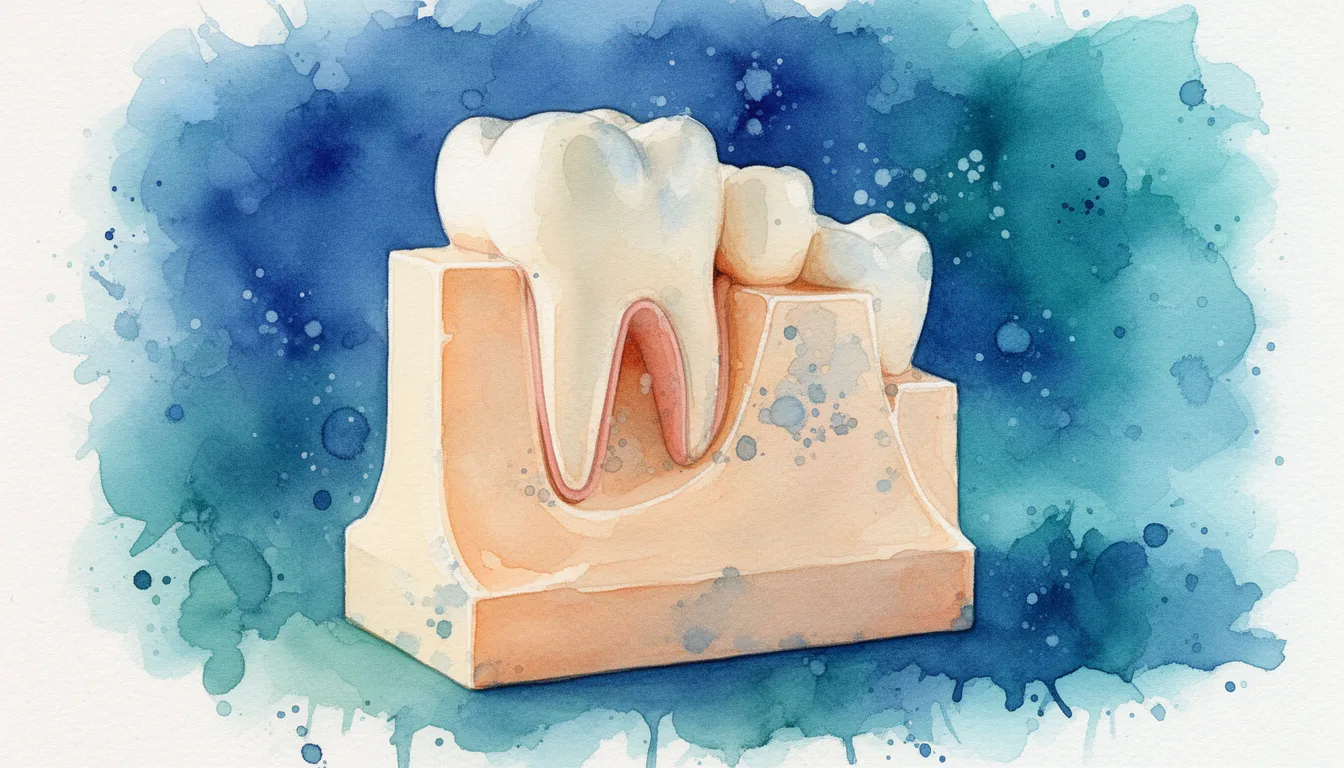
An impacted wisdom tooth is a third molar that cannot fully break through the gum because there is not enough room in the jaw. Wisdom teeth are the last adult teeth to appear, typically between ages 17 and 25. When the jaw is too small or the tooth is angled the wrong way, the tooth gets stuck, either partially or completely, beneath the gum tissue or bone. [9]
Impacted wisdom teeth are very common. According to the American Association of Oral and Maxillofacial Surgeons, wisdom teeth that are impacted or cause problems like pain, infection, or damage to adjacent teeth often require removal. [8] Most people have four wisdom teeth, one in each corner of the mouth. You can have one impacted tooth or several at the same time.
Not every impacted wisdom tooth causes pain right away. Some stay buried and cause no symptoms for years. Others cause problems as soon as they begin to push against neighboring teeth or soft tissue. A dentist or oral surgeon can detect impaction on a routine X-ray before symptoms ever start.
Four Types of Wisdom Tooth Impaction
Oral surgeons classify impaction by the angle of the trapped tooth. The type of impaction affects the difficulty of extraction and the likelihood of complications. [4]
- Mesial impaction (angled forward): The tooth tilts toward the front of the mouth, pressing into the second molar. This is the most common type.
- Distal impaction (angled backward): The tooth angles toward the back of the jaw, away from the second molar. This is less common but can still damage surrounding bone.
- Horizontal impaction (lying sideways): The tooth lies completely on its side within the jawbone. Horizontal impactions often require more involved surgery because the tooth is fully buried.
- Vertical impaction (straight but stuck): The tooth points in the correct direction but cannot erupt because it is blocked by bone or the tooth above it.
Causes and Risk Factors for Wisdom Tooth Impaction
Impaction happens when the jaw is too small to fit all 32 adult teeth, or when a tooth develops at an abnormal angle.
Jaw Size and Genetics
The human jaw has gradually become smaller over thousands of years of dietary changes. Softer modern diets require less chewing force, and some researchers believe this has contributed to smaller jaw dimensions. [4] When the jaw is short, there simply is not enough space behind the second molar for a third molar to erupt normally.
Genetics play a significant role. If one or both of your parents had impacted wisdom teeth, you are more likely to experience the same issue. Jaw shape, tooth size, and the number of teeth you develop are all influenced by your family history.
Tooth Angle and Development Timing
Sometimes the tooth bud forms at an unusual angle deep in the jaw. As the tooth grows, it runs into the roots of the second molar or the dense bone at the back of the jaw. Late development can also be a factor. When the surrounding teeth and bone have already matured by the time the wisdom tooth tries to push through, there is less give in the tissue to allow eruption.
Other Contributing Factors
Certain factors may increase the likelihood or severity of impaction.
- Crowded teeth: If your other teeth are already crowded, there is even less room for a third molar.
- Dense bone: Some people have thicker jawbone in the third molar region, making eruption harder.
- Previous dental infections: Scar tissue from earlier infections or surgeries can block the eruption path.
- Age: Bone becomes denser with age. Impactions discovered after age 30 can be more difficult to treat. [4]
Symptoms of an Impacted Wisdom Tooth and How It Is Diagnosed
Symptoms range from mild jaw stiffness to severe pain, swelling, and infection, depending on the type and severity of impaction.
Common Symptoms
Many impacted wisdom teeth produce no symptoms at all, especially when fully buried in bone. When symptoms do appear, they often start gradually and worsen over days or weeks.
- Pain at the back of the jaw: A dull ache or throbbing sensation near the last molar is the most common complaint.
- Swollen or tender gums: The gum tissue over a partially erupted tooth often becomes red and puffy.
- Difficulty opening your mouth: Swelling in the jaw muscles can limit how wide you can open, a condition called trismus.
- Pain radiating to the ear or temple: Nerve pathways in the jaw can carry pain signals to the ear, temple, or even the eye socket on the same side.
- Bad breath or an unpleasant taste: A flap of gum tissue over a partially erupted tooth can trap food and bacteria, causing odor and a foul taste.
- Swollen lymph nodes: Lymph nodes under the jaw or in the neck may swell when infection is present.
Pericoronitis: Infection Around a Partially Erupted Tooth
Pericoronitis is an infection of the soft tissue flap, called the operculum, that covers a partially erupted wisdom tooth. Bacteria collect under this flap and cause localized swelling, pain, and sometimes pus. In some cases, the infection can spread to adjacent tissue planes in the neck and throat, which is a serious medical concern. [5] [7]
Pericoronitis can be acute, with sudden severe symptoms, or chronic, with repeated mild flare-ups over months. Chronic pericoronitis is a strong indication for extraction because the episodes tend to return. [7]
How Impaction Is Diagnosed
Your dentist or oral surgeon will start with a visual exam of the back of your mouth. A partially erupted tooth or a swollen gum flap may be visible. However, fully impacted teeth are hidden below the gum and can only be seen on imaging.
A panoramic X-ray, also called an orthopantomogram, shows all of your teeth and the jawbone in a single image. It reveals the position, angle, and depth of each wisdom tooth. In complex cases, a cone-beam computed tomography (CBCT) scan provides a 3D view. This is especially useful when the roots of the wisdom tooth are close to the inferior alveolar nerve, the nerve that provides sensation to the lower lip and chin. [4]
When to Seek Care
Contact a dentist or oral surgeon if you notice persistent pain in the back of your jaw, swelling that lasts more than a day or two, difficulty opening your mouth, or fever. Fever combined with facial swelling can indicate spreading infection and may require urgent evaluation. [5]
Treatment Options for Impacted Wisdom Teeth
Surgical extraction is the standard treatment for impacted wisdom teeth that are causing symptoms or are at high risk for future problems. [8]
Monitoring (Watch and Wait)
Not every impacted wisdom tooth needs immediate removal. If the tooth is fully buried in bone, shows no signs of cyst formation, and is not affecting neighboring teeth, your dentist may recommend periodic monitoring with X-rays every 12 to 24 months. [9]
Monitoring is more common in older adults whose teeth have been asymptomatic for many years. The trade-off is that problems can develop later, and extraction tends to be more complex in older patients because the bone is denser and root formation is complete. [4]
Surgical Extraction
Surgical extraction is the most common treatment. An oral surgeon makes a small incision in the gum, removes any bone covering the tooth, and may section the tooth into pieces for easier removal. The wound is then closed with dissolvable stitches.
The procedure can be done under local anesthesia (numbing injections only), local anesthesia with IV sedation (you are drowsy but breathing on your own), or general anesthesia (you are fully asleep). The choice depends on the complexity of the case, the number of teeth being removed, and your comfort level. [8]
Newer techniques are being studied to reduce surgical trauma. A 2024 randomized clinical trial of 20 patients compared piezosurgery, which uses ultrasonic vibrations to cut bone, with conventional rotary instruments. The study found that the piezosurgery group reported less pain and swelling in the first 48 hours after surgery, though both methods achieved successful extraction. [1]
The Role of Antibiotics
Whether to prescribe antibiotics before or after wisdom tooth extraction is an ongoing discussion. A Cochrane systematic review found moderate-quality evidence that prophylactic antibiotics given around the time of extraction reduced the risk of surgical site infection in impacted wisdom tooth removal. However, the review also noted the trade-offs of antibiotic resistance and side effects. [3]
A 2021 prospective cohort study of 174 Japanese patients compared amoxicillin given 24 hours versus 48 hours before surgery. The study found no significant difference in infection rates between the two groups, and overall infection rates were low in both. [2] Your surgeon will weigh the benefits of antibiotics against the risks based on your health history, the complexity of the extraction, and current guidelines.
Comparing Your Options
The table below summarizes the main approaches. Your oral surgeon will recommend an option based on your specific anatomy, symptoms, and medical history.
- Monitoring: Best suited for asymptomatic, fully buried teeth with no X-ray findings. Requires regular follow-up imaging. Does not eliminate the possibility of future surgery.
- Simple surgical extraction (partial impaction): Shorter procedure, typically local anesthesia, faster recovery. Applicable when the tooth has partially erupted and the roots are not entangled with the nerve.
- Complex surgical extraction (full bony impaction): Longer procedure, often IV sedation or general anesthesia, longer recovery. Necessary when the tooth is deeply buried in bone or close to the inferior alveolar nerve. [4]
Recovery and Aftercare Following Extraction
Most patients return to normal daily activities within 7 to 10 days after wisdom tooth extraction. [8]
The First 48 Hours
The first two days are typically the most uncomfortable. Swelling peaks around 24 to 48 hours after surgery. Your surgeon will likely recommend ice packs on the outside of your cheek, applied 20 minutes on and 20 minutes off, to help reduce swelling.
Mild to moderate bleeding from the extraction site is normal on the first day. Biting gently on gauze for 30 to 45 minutes helps a blood clot form in the socket. This clot is essential for healing. Avoid using a straw, spitting forcefully, or smoking, as these actions can dislodge the clot and lead to a painful condition called dry socket (alveolar osteitis).
Days 3 Through 10
Swelling and bruising gradually improve after the second day. Most people can return to work or school within two to four days, depending on the complexity of the surgery and their comfort level. Stick to soft foods such as yogurt, mashed potatoes, and scrambled eggs for the first several days. Gradually reintroduce firmer foods as comfort allows.
Your surgeon may prescribe pain medication or recommend over-the-counter options like ibuprofen or acetaminophen. Follow the dosing instructions carefully. Rinsing gently with warm salt water starting 24 hours after surgery can help keep the area clean.
Full Healing Timeline
The gum tissue over the extraction site usually closes within two to three weeks. The underlying bone remodels over several months. Most patients feel fully back to normal within two weeks, though complete bone healing can take three to six months.
Attend all follow-up appointments. Your surgeon will check for signs of infection, verify that the stitches are dissolving properly, and confirm that healing is on track.
Possible Complications
Most wisdom tooth extractions heal without problems. However, complications can occur.
- Dry socket (alveolar osteitis): The blood clot dislodges, exposing bone. This causes intense, throbbing pain typically starting two to four days after surgery. Treatment involves a medicated dressing placed in the socket.
- Infection: Signs include increasing pain after the third day, fever, and pus from the site. Prompt treatment with antibiotics is usually effective. [3]
- Nerve injury: The inferior alveolar nerve runs close to lower wisdom tooth roots. Temporary numbness of the lower lip or chin occurs in a small percentage of cases. Permanent nerve damage is rare. [4]
- Jaw stiffness: Difficulty opening the mouth can persist for one to two weeks. Gentle stretching exercises can help.
Cost of Impacted Wisdom Tooth Removal
Wisdom tooth extraction typically costs between $225 and $600 per tooth. Costs vary by location, provider, and case complexity.
What Affects the Cost
Several factors influence the final price of the procedure.
- Type of impaction: A simple soft tissue impaction costs less than a full bony impaction because the surgery is shorter and less complex.
- Anesthesia type: Local anesthesia is the least expensive option. IV sedation and general anesthesia add to the overall cost.
- Number of teeth removed: Having all four wisdom teeth removed in one session is typically more cost-effective per tooth than separate procedures.
- Geographic location: Fees vary significantly between urban and rural areas and between different regions of the country.
- Imaging: A panoramic X-ray or CBCT scan may be billed separately.
Insurance Coverage and Financing
Most dental insurance plans cover a portion of wisdom tooth extraction when it is deemed medically necessary. Coverage percentages and annual maximums vary widely between plans. Contact your insurer before the procedure to understand your out-of-pocket responsibility.
If you do not have insurance, many oral surgery offices offer payment plans or accept third-party financing. Ask the office about available options before scheduling.
Should You See a General Dentist or an Oral Surgeon?
General dentists can remove some partially erupted wisdom teeth, but impacted teeth typically require an oral and maxillofacial surgeon.
Oral surgeons complete an additional four to six years of hospital-based surgical training after dental school. This training includes managing complex impactions, IV sedation, general anesthesia, and surgical complications. [8] If your wisdom tooth is fully buried in bone, close to a nerve, or if you have a medical condition that increases surgical risk, an oral surgeon is the appropriate provider.
Your general dentist will usually identify the impaction on a routine X-ray and refer you to an oral surgeon if needed. In some cases, a general dentist may extract a straightforward partial impaction. Ask your dentist directly whether they are comfortable performing the procedure or whether a referral would be in your best interest.
Find an Oral Surgeon Near You
If you are experiencing jaw pain, swelling, or have been told you have an impacted wisdom tooth, an oral surgeon can evaluate your situation and discuss your options. Use our directory to find a qualified oral surgeon in your area and take the next step toward relief.
Search Oral Surgeons in Your Area