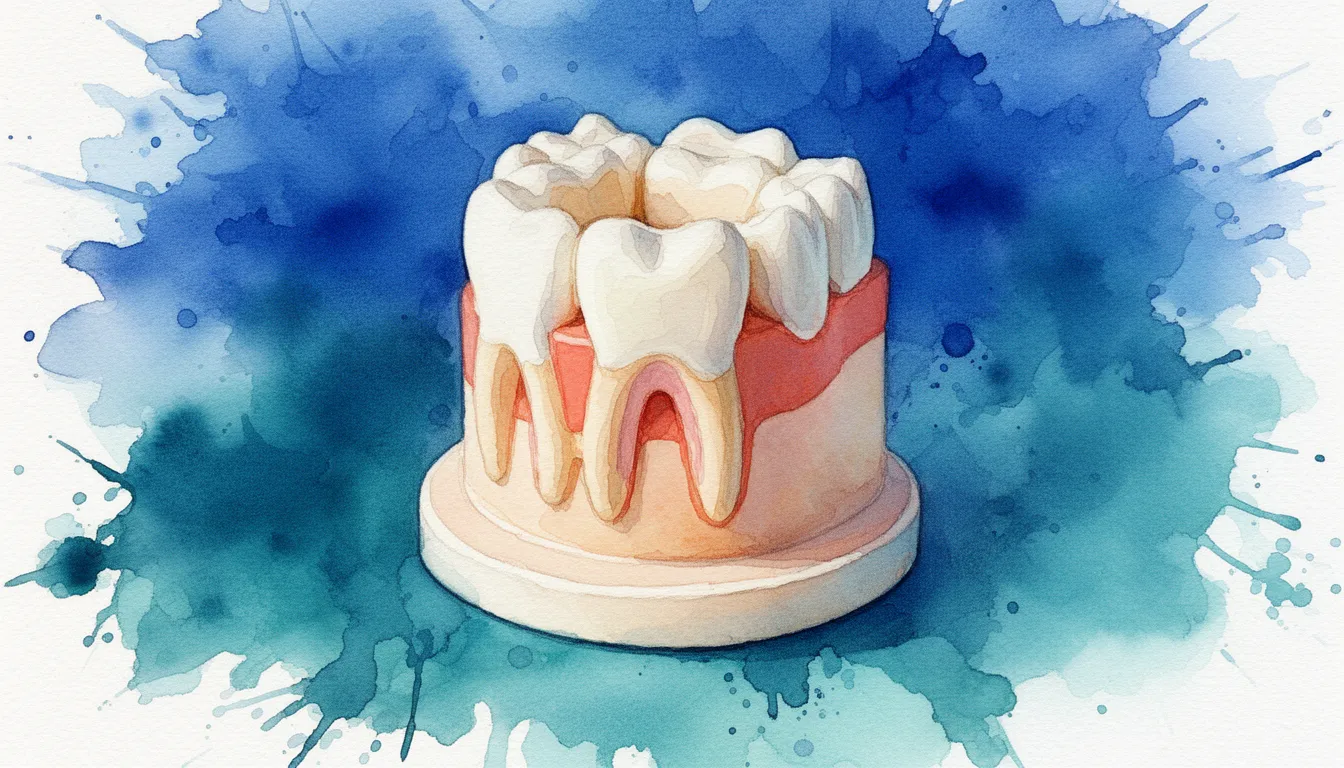
What Is Dry Socket (Alveolar Osteitis)?
After a tooth is extracted, a blood clot forms in the empty socket. This clot serves as a protective layer over the underlying bone and nerve endings. It also provides the foundation for new tissue growth that will eventually fill the extraction site. Dry socket occurs when this blood clot fails to develop properly, is dislodged, or dissolves before the wound has healed.
Without the clot, the bone and nerve tissue at the base of the socket are exposed to air, food, and bacteria. This exposure causes intense pain and can delay healing. Dry socket is not an infection, though the exposed socket can become infected if bacteria enter the wound.
Wisdom teeth, particularly lower wisdom teeth that were impacted (stuck beneath the gum or bone), are the most common site for dry socket. The extraction of impacted wisdom teeth involves more surgical trauma to the bone, which increases the risk of clot disruption.
Symptoms of Dry Socket
The symptoms of dry socket are distinct from normal post-extraction discomfort. After a typical extraction, pain peaks within the first 24 to 48 hours and then gradually improves. With dry socket, pain follows a different pattern.
How to Recognize Dry Socket
- Severe, throbbing pain that develops 3 to 5 days after the extraction, after an initial period of improvement
- Pain that radiates from the socket to the ear, eye, temple, or neck on the same side
- A visible empty socket where the blood clot should be, with whitish bone visible at the base
- Bad breath or a foul taste in the mouth that was not present immediately after surgery
- A unpleasant odor coming from the extraction site
- Mild to moderate swelling around the extraction area
Normal Healing vs. Dry Socket
Normal healing after a wisdom tooth extraction involves pain that is worst on day 1 and 2, then gradually decreases each day. The socket appears dark red or maroon as the blood clot forms and tissue begins to heal. With dry socket, the timeline reverses. You may feel better on days 1 and 2, then experience a sudden increase in pain on day 3, 4, or 5. The socket looks empty, grayish, or you can see exposed bone.
If your pain is getting worse instead of better after the third day, or if over-the-counter pain medication is no longer controlling your discomfort, contact your oral surgeon or dentist.
Causes and Risk Factors
The exact mechanism that causes dry socket is not fully understood, but several well-documented factors increase the risk. Some of these are within your control, while others are not.
Risk Factors You Can Control
- Smoking or using tobacco: Nicotine reduces blood supply to the healing tissue, and the physical act of inhaling can dislodge the clot. Smoking is the single most significant controllable risk factor.
- Using straws: The suction created by drinking through a straw can pull the blood clot out of the socket.
- Vigorous rinsing or spitting: Forceful rinsing within the first 24 to 48 hours can disrupt the fragile clot before it stabilizes.
- Touching the extraction site: Probing the area with your tongue or finger can dislodge the clot.
- Poor oral hygiene: Bacteria in the mouth can break down the clot prematurely.
Risk Factors Beyond Your Control
- Impacted wisdom teeth: Surgical extraction of impacted teeth involves more bone removal, increasing the risk of dry socket compared to simple extractions.
- Previous dry socket: If you have had dry socket before, you are more likely to develop it again.
- Oral contraceptives: Estrogen in birth control pills can affect blood clotting. Studies have shown higher dry socket rates in women taking oral contraceptives.
- Difficult or traumatic extraction: The more surgical trauma involved in removing the tooth, the higher the risk.
- Existing infection: If the tooth was already infected at the time of extraction, the risk of dry socket increases.
How Dry Socket Is Treated
Dry socket is treated in your oral surgeon's or dentist's office. The primary goal is to reduce pain and protect the exposed bone while the socket heals naturally.
Medicated Dressing
The main treatment for dry socket is a medicated dressing placed directly into the socket. Your oral surgeon gently irrigates the socket to remove any debris, then packs it with a medicated paste or dressing that contains an analgesic (pain reliever) and sometimes an antiseptic. This dressing provides rapid pain relief, often within minutes to hours.
The dressing may need to be replaced every 1 to 3 days until the pain subsides and new tissue begins to grow over the exposed bone. Most patients need 2 to 4 dressing changes over the course of a week.
Pain Management at Home
Your oral surgeon may prescribe stronger pain medication if over-the-counter options are not sufficient. Nonsteroidal anti-inflammatory drugs (NSAIDs) like ibuprofen are typically the first choice because they address both pain and inflammation. In some cases, a short course of a stronger prescription pain reliever may be needed.
Gently rinsing with warm salt water (half a teaspoon of salt in 8 ounces of water) several times a day can help keep the area clean and comfortable. Avoid vigorous swishing. Let the salt water flow gently over the site and drain from your mouth.
Healing Timeline
With treatment, most patients experience significant pain relief within 24 to 48 hours of the first medicated dressing. The acute symptoms of dry socket typically resolve within 7 to 10 days. However, the socket itself continues to heal for several weeks as new tissue gradually fills in the site. Your oral surgeon will monitor your healing and let you know when the socket has recovered enough that no further dressings are needed.
How to Prevent Dry Socket
Following your oral surgeon's post-operative instructions is the most effective way to reduce your risk of dry socket. While not every case can be prevented, these steps significantly lower the chances.
Before Surgery
- Stop smoking at least 48 hours before the extraction, and ideally longer. The longer you abstain, the lower your risk.
- Tell your oral surgeon about all medications you take, including birth control pills, as these may affect clot formation.
- Arrange your schedule so you can rest for at least 24 to 48 hours after the procedure.
After Surgery
- Do not smoke for at least 72 hours after extraction, and ideally 7 to 10 days. This is the single most important prevention measure.
- Do not use straws for at least 1 week.
- Do not rinse, spit, or suck on anything forcefully for the first 24 hours.
- Eat soft foods (yogurt, applesauce, mashed potatoes, smoothies eaten with a spoon) for the first few days.
- After 24 hours, begin gentle salt water rinses. Let the water flow over the site without swishing.
- Avoid carbonated drinks, alcohol, and hot liquids for the first 24 to 48 hours.
- Sleep with your head slightly elevated for the first night or two to reduce swelling.
When to Contact Your Oral Surgeon
Contact your oral surgeon or dentist if your pain worsens 3 or more days after the extraction, if over-the-counter pain medication stops controlling your discomfort, if you notice a bad taste or odor from the extraction site, if you can see exposed bone in the socket, or if you develop a fever. Early treatment leads to faster relief.
An oral and maxillofacial surgeon (OMS) is a dental specialist with 4 to 6 years of hospital-based residency training beyond dental school. Oral surgeons perform the majority of wisdom tooth extractions, particularly for impacted teeth, and are experienced in diagnosing and treating dry socket.
Find an Oral Surgeon Near You
Every oral surgeon on My Specialty Dentist has verified specialty credentials. Search by location to find oral and maxillofacial surgeons in your area, compare their experience, and schedule a consultation.
Search Oral Surgeons in Your Area