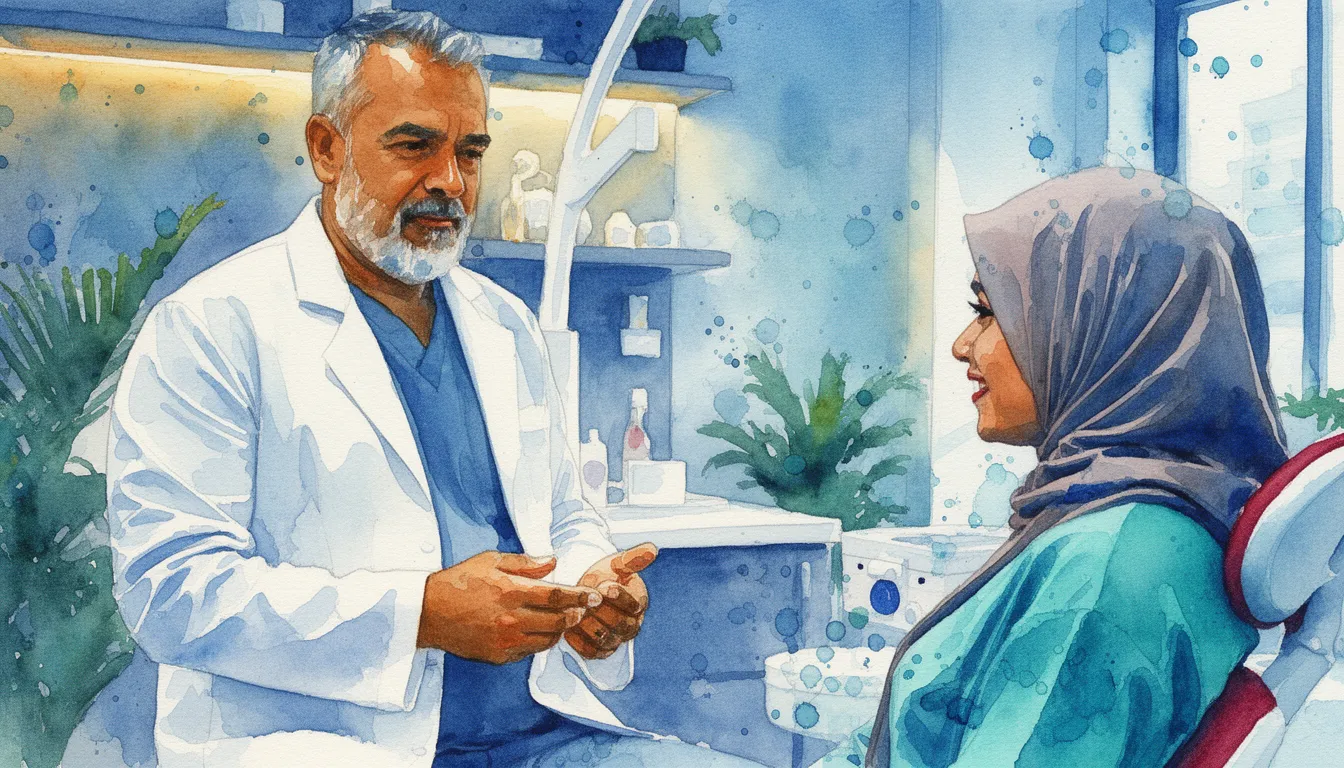
What This Guide Covers and Who It Is For
This guide gives you a week-by-week recovery plan after gum graft surgery, also called soft tissue grafting. A gum graft is a periodontal procedure where tissue is placed over an area of gum recession (where the gum has pulled away from the tooth, exposing the root). The surgery aims to protect exposed roots, reduce sensitivity, and prevent further tissue loss. [1]
If you have just had a gum graft, or if your periodontist has recommended one, this information will help you understand what to expect at each stage of healing. Recovery is generally straightforward when you follow your provider's instructions. The tips here are meant to supplement those instructions, not replace them.
This guide covers ice schedules, soft food ideas, pain management, oral hygiene changes, activity restrictions, and warning signs. It applies to the three main graft types: connective tissue grafts (tissue taken from under the palate), free gingival grafts (tissue taken from the surface of the palate), and allograft procedures (donor tissue). Recovery timelines are similar across types, though palate healing is an added factor when your own tissue is used.
Core Recovery Principles After Gum Grafting
Successful gum graft healing depends on keeping the graft undisturbed, well-nourished by blood supply, and free from infection. Everything you do in the first two weeks either supports or threatens those three goals. Understanding the reasoning behind each restriction makes it easier to follow through.
Why Protecting the Blood Clot Matters
A stable blood clot forms between the graft and the underlying tissue. This clot delivers nutrients and growth factors that allow the graft to integrate with your existing gum. Disrupting the clot can lead to graft failure, meaning the tissue does not attach and may slough off.
Actions that create suction or pressure in the mouth threaten the clot. Using a straw, spitting forcefully, and smoking all generate negative pressure or introduce heat and chemicals to the surgical area. This is why these activities are restricted for at least 7 to 14 days. Smoking in particular reduces blood flow to the gums and significantly increases the risk of graft complications. [1]
Physical activity raises blood pressure, which can restart bleeding at the surgical site. Most periodontists recommend avoiding vigorous exercise for 7 to 14 days. Light walking is typically fine after the first 2 to 3 days.
Managing Swelling and Discomfort
Swelling is a normal part of healing and usually peaks 48 to 72 hours after surgery. Applying a cold pack or bag of frozen peas to the outside of your cheek in 20-minute intervals (20 minutes on, 20 minutes off) during the first 24 to 48 hours helps limit swelling. After 48 hours, cold therapy becomes less effective.
Sleeping with your head elevated on two pillows for the first 3 to 5 nights reduces fluid pooling in the surgical area. This simple step can noticeably reduce morning swelling and throbbing.
Pain is typically manageable with over-the-counter medications. Many periodontists recommend alternating ibuprofen and acetaminophen for the first few days. Your provider may also prescribe a stronger pain medication for the first 24 to 48 hours. Always follow dosage instructions carefully and take the first dose before the local anesthesia wears off.
Preventing Infection at the Graft Site
Your periodontist will typically prescribe an antimicrobial mouth rinse, often chlorhexidine, to use starting the day after surgery. This rinse helps control bacteria around the surgical site while you are unable to brush that area. Gently swish rather than vigorously rinse to avoid dislodging the graft. [2]
You may also receive a course of antibiotics. Take the full course even if you feel fine. Skipping doses can allow resistant bacteria to grow.
Keep your hands away from the surgical area. It is tempting to touch or examine the graft with your tongue or fingers, but this introduces bacteria and can physically disturb the healing tissue.
Practical Details: Diet, Hygiene, and Preparation
Preparing your home and meals before surgery day makes the first week significantly easier. Most patients find recovery smoother when they have food, medications, and comfort items ready in advance.
Soft Food Ideas for the First Two Weeks
Eat only soft, cool, or lukewarm foods for the first 7 to 10 days. Hot foods and beverages increase blood flow to the area and can restart bleeding. Crunchy, sharp, or chewy foods can physically damage the graft.
Good options for the first 3 to 5 days include yogurt, smoothies (no straw), mashed potatoes, scrambled eggs, applesauce, lukewarm broth, protein shakes, and oatmeal cooled to room temperature. Avoid anything with small seeds, nuts, or sharp edges like chips and toast.
During days 5 through 14, you can typically add soft pasta, steamed vegetables, fish, soft bread, and ripe bananas. Chew on the opposite side of your mouth from the graft site. By week 3, most patients can begin returning to their normal diet, though you should still avoid very hard or crunchy foods near the graft area until your periodontist confirms adequate healing.
How to Handle Brushing and Flossing
Do not brush or floss the graft site until your periodontist gives the go-ahead, typically at the 1- to 2-week follow-up appointment. You can and should brush and floss the rest of your mouth to keep overall oral bacteria levels low. Use a soft-bristled toothbrush and be gentle near the surgical area. [2]
Your prescribed antimicrobial rinse replaces brushing at the graft site during this period. Some periodontists also recommend a gentle salt water rinse (half a teaspoon of salt in eight ounces of warm water) starting 24 hours after surgery. Let the rinse flow gently over the area rather than swishing aggressively.
When your provider clears you to resume brushing the graft site, use an ultra-soft or post-surgical toothbrush for the first few weeks. Normal brushing pressure can be resumed gradually as healing progresses.
Preparing Before Your Surgery Date
Stock your refrigerator with soft foods and your medicine cabinet with recommended medications. Fill prescriptions before the procedure so everything is ready when you get home.
Arrange for someone to drive you home if you will receive sedation. Plan to take 1 to 3 days off work depending on the physical demands of your job. Desk work is typically possible by day 2 or 3. Jobs involving heavy lifting, bending, or talking for long periods may require more time off.
Set up a comfortable recovery space at home with extra pillows for sleeping elevated. Have ice packs ready. Charge your phone, prepare entertainment, and minimize obligations for the first 48 hours.
Week-by-Week Recovery Timeline
Gum graft healing follows a general pattern, though individual experiences vary based on graft type, surgical extent, and personal health factors.
Days 1 Through 3: The Critical Window
The first 48 to 72 hours require the most care. You will likely have numbness for 2 to 6 hours after surgery. Take your first pain medication before that numbness fades.
Expect mild to moderate swelling, some oozing of blood-tinged saliva, and discomfort at both the graft site and the donor site (if tissue was taken from your palate). The palate donor site often causes more day-to-day discomfort than the graft itself. A plastic palatal stent, if your periodontist provided one, protects this area while eating.
Apply ice 20 minutes on, 20 minutes off during waking hours for the first 48 hours. Eat only soft, cool foods. Sleep elevated. Avoid all physical exertion. Take medications on schedule. Use your antimicrobial rinse as directed. The graft may look white or yellowish during this stage. This is normal and does not mean the graft has failed.
Days 4 Through 7: Early Stabilization
Swelling typically begins to subside by day 4 or 5. Pain levels usually decrease noticeably. Many patients reduce or stop prescription pain medication during this window and manage with over-the-counter options.
The graft may still appear white, yellowish, or slightly different in color from the surrounding tissue. This remains normal. Blood supply is re-establishing, and color changes are part of the process. Avoid pulling your lip to examine the graft, as this can physically stress the healing tissue.
You can begin eating slightly more varied soft foods. Continue salt water or antimicrobial rinses. Continue sleeping elevated if swelling persists. Light walking is usually acceptable, but avoid gym workouts, running, and heavy lifting.
Week 2: Follow-Up and Gradual Return
Most periodontists schedule a follow-up visit during week 2. At this appointment, the provider checks graft attachment, removes sutures if non-resorbable ones were placed, and may clear you to resume gentle brushing at the graft site. [1]
Discomfort should be mild at this point. The graft may start to take on a pinkish color as blood supply matures. You can gradually introduce firmer foods, though continue chewing on the opposite side. Light exercise is typically acceptable; more intense activity may still need to wait.
If tissue was taken from your palate, that donor site is usually healing well by now but may still feel tender, especially with hot, spicy, or crunchy foods directly touching it.
Weeks 3 and 4: Approaching Normal
Most patients return to normal eating, brushing, and physical activity during weeks 3 and 4. The graft should be well-attached and gaining strength. You can typically resume flossing near the graft site when instructed.
Some sensitivity to temperature at the graft area is normal and may persist for a few weeks. The tissue color may not yet match the surrounding gum. This is expected. Color matching improves over the following months.
Resume your full oral hygiene routine gradually. A soft or extra-soft toothbrush near the graft site is still a good idea for the first month or two.
Months 2 Through 6: Tissue Maturation
Full tissue maturation, where the graft has completely integrated and blends with surrounding gum tissue, typically takes 3 to 6 months. During this period the tissue thickens, gains its final color, and develops full resilience.
Your periodontist may schedule one or more additional follow-up visits to monitor healing. Good ongoing oral hygiene, including regular brushing, flossing, and professional cleanings, is essential to protect the grafted tissue long term. Periodontal maintenance visits, typically every 3 to 4 months, help ensure the results last. [1]
Cost Factors for Gum Graft Surgery and Recovery
Gum graft surgery costs vary widely depending on the type of graft, the number of teeth involved, your geographic location, and the provider's experience.
A single-tooth gum graft typically ranges from $600 to $1,200. Procedures involving multiple teeth or more complex techniques can cost $1,500 to $3,000 or more. Allografts using donor tissue may carry higher material costs. Costs vary by location, provider, and case complexity.
Dental insurance may cover part of the cost if the procedure is deemed medically necessary, for example, to treat documented gum recession threatening tooth health. Coverage depends on your specific plan. Contact your insurance provider before surgery to confirm benefits and understand your out-of-pocket responsibility. Your periodontist's office can often help submit a pre-authorization request.
Recovery-related costs are generally minimal. Prescriptions for pain medication, antibiotics, and antimicrobial rinse typically total $20 to $60 depending on your pharmacy and insurance. Soft foods and ice packs are the main household expenses.
When to Contact Your Periodontist During Recovery
Contact your periodontist if you notice any signs of complications rather than waiting until your scheduled follow-up. Early intervention can often prevent a minor issue from becoming a serious one.
Call your periodontist's office if you experience heavy bleeding that does not stop after 20 minutes of firm pressure with gauze. Also call if you develop a fever over 101°F (38.3°C), increasing pain after the first 3 days rather than decreasing pain, significant swelling that worsens after day 4 or 5, or pus or a foul taste coming from the surgical area.
If the graft tissue turns very dark or black, or if it appears to be separating from the underlying tissue, contact your provider promptly. Not all color changes indicate a problem, but your periodontist can evaluate whether the graft is healing as expected.
A periodontist is a dental specialist with additional years of training in gum tissue management and surgery. They are the appropriate provider for both performing gum grafts and managing any complications during recovery. If your general dentist referred you for the graft, follow up with your periodontist for all surgical recovery questions rather than your general dentist. [1]
Find a Periodontist for Your Gum Graft
If you need a gum graft or have questions about your recovery, a board-certified periodontist can provide expert guidance specific to your situation. Use our directory to find a qualified periodontist near you through the periodontics page and schedule a consultation to discuss your treatment and recovery plan.
Search Periodontists in Your Area