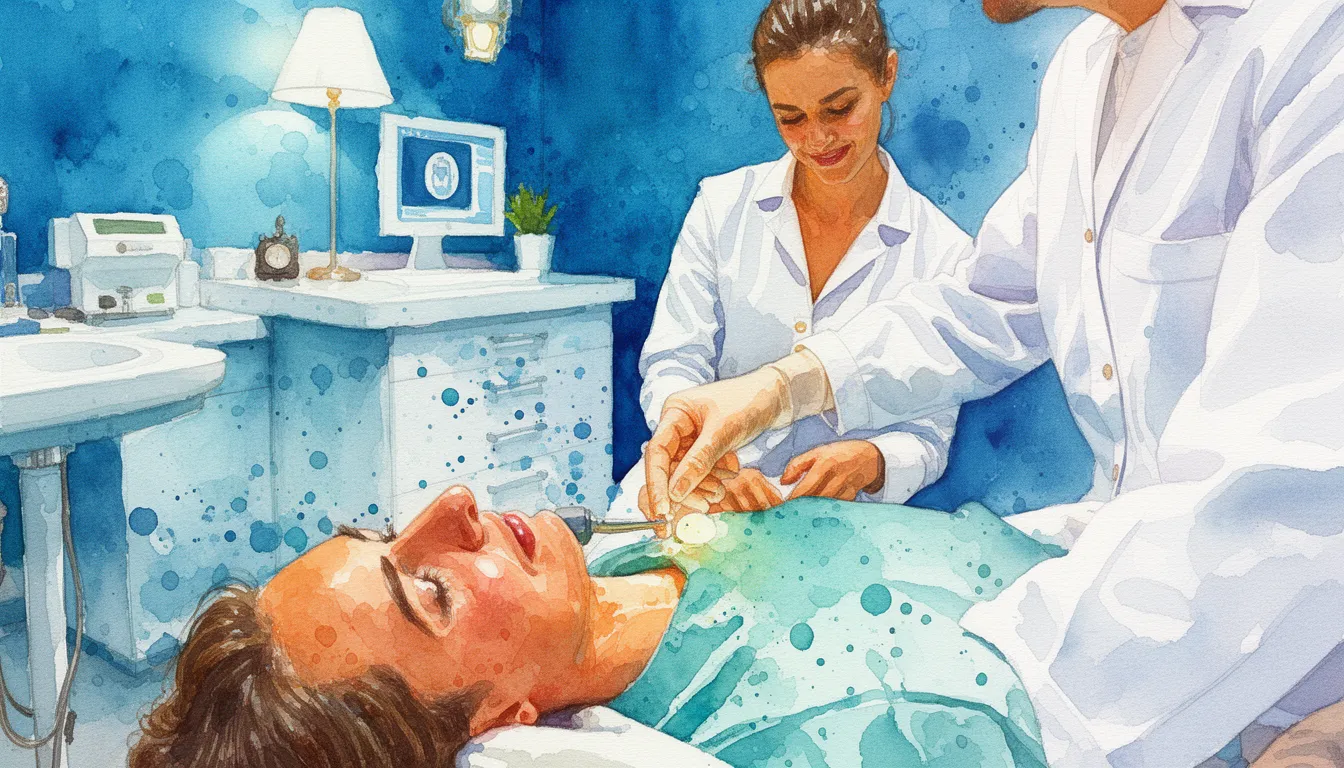
What Is Pinhole Gum Rejuvenation?
Pinhole gum rejuvenation is a procedure developed to treat gum recession without the need for traditional soft tissue grafting. Gum recession occurs when the gum tissue pulls away from the tooth, exposing the root surface. This can cause sensitivity, increase the risk of decay on the root, and affect the appearance of your smile.
The Pinhole Surgical Technique was developed by Dr. John Chao and has been used clinically since 2006. Instead of removing tissue from the palate (roof of the mouth) and suturing it to the recession site, PST works by making a small pinhole-sized entry point in the gum tissue. Through this opening, the periodontist uses specialized instruments to gently loosen and slide the existing gum tissue down over the exposed roots.
How PST Differs from Traditional Gum Grafting
Traditional connective tissue grafting has been the standard treatment for gum recession for decades. It involves removing a small piece of tissue from the palate, placing it at the recession site, and suturing it in position. While highly effective, it requires two surgical sites, involves sutures at both locations, and the palate donor site can be quite sore during recovery.
- No tissue harvested from the palate: PST repositions your existing gum tissue rather than transplanting tissue from another area.
- No scalpel incisions or sutures: The only entry point is a small needle-sized hole in the gum.
- Faster recovery: Most patients experience minimal discomfort and return to normal activities within 24 to 48 hours, compared to 1 to 2 weeks for traditional grafting.
- Multiple teeth in one visit: PST can treat several teeth at once through the same pinhole, while grafting often requires staged procedures.
- Immediate cosmetic improvement: The gum line looks improved right after the procedure, though final results develop as healing progresses.
Who Is a Candidate for Pinhole Gum Rejuvenation?
Pinhole gum rejuvenation works best for patients with mild to moderate gum recession who have adequate gum tissue thickness to reposition. Your periodontist will evaluate your specific situation to determine if PST is appropriate for you.
Good Candidates for PST
- Patients with recession on multiple teeth who want to avoid multiple grafting procedures.
- Patients with Miller Class I or Class II recession (mild to moderate recession without significant bone loss between the teeth).
- Patients who are anxious about surgery and prefer a less invasive approach.
- Patients with adequate gum tissue thickness that can be repositioned over the exposed roots.
When PST May Not Be the Best Option
PST is not suitable for every case of gum recession. Severe recession with significant bone loss between teeth (Miller Class III or IV) may require traditional grafting or other approaches. Patients with very thin gum tissue may not have enough tissue to reposition effectively. Active gum disease must be treated before any recession procedure can be performed.
If you grind or clench your teeth (bruxism) without managing it, any recession treatment is at higher risk of recurrence. Your periodontist will assess these factors and recommend the approach most likely to produce a lasting result.
What to Expect During the Procedure
Pinhole gum rejuvenation is performed in a periodontist's office under local anesthesia. The entire procedure typically takes 1 to 2 hours depending on the number of teeth being treated. Sedation options may be available for patients who prefer it.
Step-by-Step Procedure
After numbing the treatment area, the periodontist makes a small hole (about the size of a ballpoint pen tip) in the gum tissue near the recession site. Through this pinhole, specialized instruments are inserted to gently loosen the gum tissue from the underlying bone and connective tissue.
Once the tissue is loosened, it is carefully guided downward (for upper teeth) or upward (for lower teeth) to cover the exposed root surfaces. The tissue is repositioned to its proper level along the tooth.
Small strips of collagen material are then inserted through the pinhole and placed under the repositioned gum tissue. These collagen strips act as a bandage, holding the tissue in its new position while the body's natural healing process attaches it to the tooth root. The pinhole itself is so small that it heals on its own without sutures, typically within 24 hours.
Recovery After Pinhole Gum Rejuvenation
One of the primary advantages of pinhole gum rejuvenation over traditional grafting is the shorter and more comfortable recovery period.
The First Few Days
Most patients report little to no pain after the procedure. Mild swelling or tenderness is possible but typically resolves within 1 to 2 days. Over-the-counter pain medication is usually sufficient. There is no palate wound to heal, which eliminates the most uncomfortable part of traditional graft recovery.
Your periodontist will advise you to eat soft foods for the first few days and avoid brushing directly over the treated area. A gentle antimicrobial rinse may be prescribed to keep the area clean during initial healing.
Weeks 1 Through 8: Tissue Stabilization
Most patients return to normal activities, including work, the day after the procedure. The pinhole entry point heals within 24 hours. The repositioned gum tissue continues to stabilize and attach to the root surface over the following weeks.
Avoid hard, crunchy, or sticky foods for 4 to 6 weeks to prevent displacing the tissue. Vigorous brushing and flossing near the treatment site should be avoided during this period. Your periodontist will schedule follow-up visits at 1 week and again at 4 to 8 weeks to monitor healing. Full tissue maturation typically occurs within 2 to 3 months.
How Much Does Pinhole Gum Rejuvenation Cost?
The cost of pinhole gum rejuvenation typically ranges from $1,500 to $5,000 depending on the number of teeth treated. Treating a single tooth is less expensive, while treating multiple teeth across an arch costs more but is still often done in one visit.
The cost is generally comparable to or slightly higher than traditional connective tissue grafting for the same number of teeth. However, because PST can treat multiple teeth in a single session (whereas grafting often requires multiple appointments), the total cost and time investment may be similar or lower for patients with widespread recession.
Dental insurance coverage for gum recession treatment varies. Some plans cover a portion of the procedure if it is medically necessary, while others classify it as cosmetic. Check with your insurance provider before scheduling. Many periodontist offices offer payment plans. Costs vary by location, provider, and case complexity.
Finding a Periodontist Trained in PST
The Pinhole Surgical Technique is a specialized procedure that requires specific training beyond standard periodontal residency. Not all periodontists perform PST. When searching for a provider, look for a periodontist who has completed formal training in the Pinhole Surgical Technique and performs the procedure regularly.
A periodontist is a dental specialist with 3 additional years of training in treating the gums and bone that support teeth. They are the most qualified specialists for any gum recession treatment, whether PST or traditional grafting. If your general dentist has identified gum recession, ask for a referral to a periodontist or search the My Specialty Dentist directory.
Find a Periodontist Near You
Every periodontist on My Specialty Dentist has verified specialty credentials. Search by location to find periodontists in your area who treat gum recession, compare their experience, and schedule a consultation.
Search Periodontists in Your Area